Why Choose an LED Linear Module for Lighting?
An LED linear module can turn a narrow channel into an even, useful line of light. In a kitchen, it can brighten a countertop without a bulky fixture. In a shop, it can make shelves easier to read. Its slim shape is only part of the appeal. Designers also consider light distribution, color consistency, heat management, and how easily the module fits the intended space.
Lighting scientist Dr. Ian Ashdown is a relevant authority on lighting quality. The following is an editorial paraphrase, not a verified direct quotation: “Judge a lighting module by the quality of light it delivers, not by its form alone.” That distinction matters. A module may look neat on a specification sheet yet reveal bright spots, uneven color, or uncomfortable glare after installation. Details show.
This article explores why an LED linear module may suit a project, and where careful selection matters. It considers efficiency, light output, installation flexibility, and maintenance needs. It also looks at practical limits, including driver compatibility, thermal conditions, and the quality of the diffuser. These details can affect real performance.
No module fits every space. The right choice depends on the task, mounting position, operating hours, and desired appearance. A short sample test can expose problems that product photos hide. That extra step takes time. It can prevent a disappointing result.
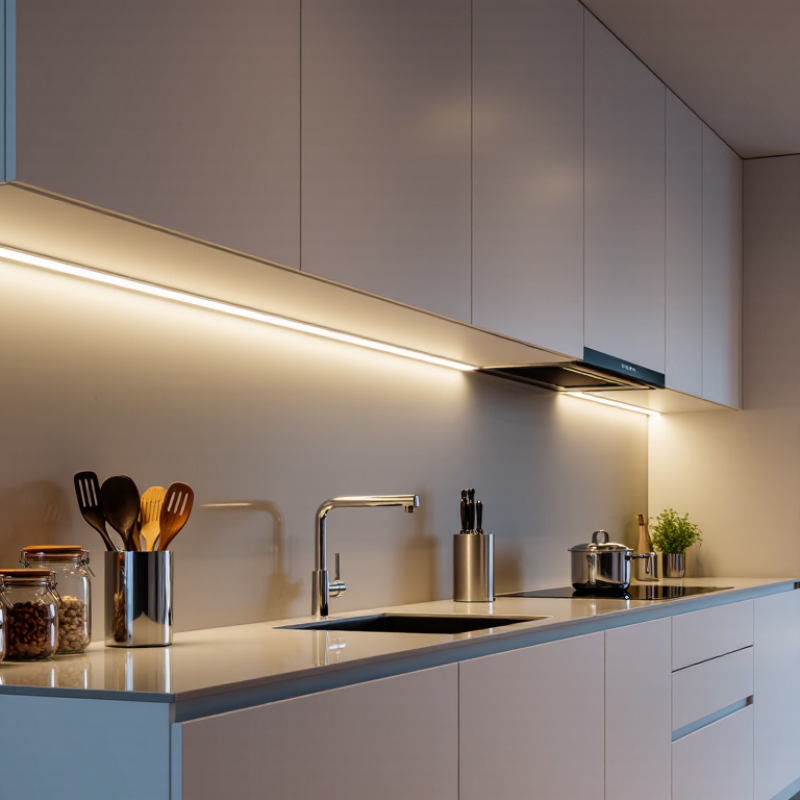
What an LED Linear Module Is
Why Choose an LED Linear Module for Lighting?
What an LED Linear Module Is
An LED linear module is a narrow lighting assembly designed to produce an elongated line of light. It typically combines multiple LEDs on a rigid or flexible circuit board. Depending on the design, it may also include optics, electrical connections, and components that help transfer heat away from the LEDs. The exact contents vary. The term is not perfectly standardized across the lighting industry, so checking the product specifications matters.
A module is usually a light source component, not a complete fixture. It may need a compatible driver, housing, and mounting system before installation. For example, a module fitted inside an aluminum channel can benefit from better heat dissipation, while a lens can soften visible LED points. These details affect brightness, light distribution, and long-term performance. Fit and compatibility matter.
When assessing a module, check its operating voltage or current, dimensions, color temperature, and color-rendering information. Also confirm how it should be mounted and cooled. A bright module can still disappoint if it creates glare or does not fit the intended channel. I have found that product labels do not always explain installation limits clearly; when details are missing, ask the supplier for technical documentation rather than guessing.
How LED Linear Modules Produce Light
An LED linear module produces light through semiconductor chips mounted along a narrow circuit board. When a driver supplies controlled direct current, electrons move across the semiconductor junction and release energy as photons. That is the basic light-producing process. The chips themselves usually emit blue light; a phosphor coating converts some of it into a broader, often white spectrum. The coating’s composition affects the color appearance, so two modules can look different even at similar color temperatures.
The circuit board also carries heat away from the chips. This matters because excess heat can shorten service life and shift light output over time. A driver helps regulate current, while the module’s thermal path and operating conditions influence how steadily it performs. Details count. In a real fixture, closely spaced LEDs may create bright spots unless a lens or diffuser blends their output. The diffuser can soften the pattern, but it may also reduce delivered brightness.
Linear modules are useful when light needs to run evenly along a shelf, task area, or ceiling channel. Still, “even” depends on spacing, optics, and viewing distance. I would check the module’s current, color consistency, and heat-management requirements before choosing one. It is easy to focus on wattage alone. That can miss the actual light on the work surface.
Key Performance Benefits of LED Linear Modules
Why Choose an LED Linear Module for Lighting?
Key Performance Benefits of LED Linear Modules
LED linear modules deliver a continuous line of light with fewer visible gaps than spaced point sources. In a workbench luminaire, that can reduce harsh bright spots on tools and surfaces. Short runs also fit neatly into display cases, corridors, and shallow ceiling channels. The result depends on the diffuser and spacing. A poorly matched optic can still create glare.
Efficiency is a major advantage, but system design matters. The U.S. Department of Energy’s Energy Saver guidance reports that LEDs use at least 75% less energy and last up to 25 times longer than incandescent lighting. That comparison is not a guarantee for every linear fixture; drivers, heat, and operating conditions affect real performance.
Check module efficacy, thermal management, and lumen-maintenance data before specifying a product. Look for even illumination at the intended mounting height, too. Small details matter.
Dimming compatibility is another practical benefit, though it can be overlooked during planning. In my experience, testing a sample in the actual channel can reveal uneven edges that a datasheet will not. The figures help, but they do not replace a careful installation check.
Common Applications for LED Linear Lighting
Why Choose an LED Linear Module for Lighting?
Common Applications for LED Linear Lighting
LED linear modules work well where light needs to spread evenly across a long surface. In offices, they illuminate desk rows and reduce dark gaps between fixtures. Retailers use them to brighten shelves, while schools install them in classrooms and corridors. In warehouses, continuous lighting can help workers read labels and spot obstacles. The fit matters. Ceiling height, spacing, and glare can change how a room feels.
These modules also suit kitchens, workshops, and covered parking areas, provided the fixture matches the environment. A U.S. Department of Energy report projected that solid-state lighting could save 569 terawatt-hours of electricity annually by 2035 compared with conventional lighting. That figure covers broad lighting applications, not linear modules alone, but it shows why efficient lighting design matters. Still, more light is not always better; a bright aisle can feel harsh if optics or placement are poorly chosen.
Tips: Check beam spread and color temperature before installation. Test one section first. Note shadows on work surfaces, then adjust spacing or output.
Why Choose an LED Linear Module for Lighting? - Common Applications for LED Linear Lighting
| Application | Common Linear Lighting Format | Typical Color Temperature | Typical Illuminance Range* | Why Linear Lighting Fits |
| Offices | Recessed or suspended continuous rows | 3500–4000 K | 300–500 lux on work surfaces | Creates even ambient light and can be arranged to follow desks, corridors, and open-plan layouts. |
| Retail stores | Track-mounted, surface-mounted, or suspended runs | 3000–4000 K | About 300–750 lux for general sales areas | Long, adaptable runs provide general illumination; directional fittings can add emphasis to merchandise. |
| Classrooms | Recessed or suspended rows across the room | 3500–5000 K | 300–500 lux on desks | Regular spacing can support uniform light distribution across desks, boards, and circulation areas. |
| Warehouses | Suspended or surface-mounted high-bay linear fixtures | 4000–5000 K | About 100–300 lux, depending on the task | Elongated distribution can suit aisles and shelving layouts; the required output depends on mounting height and activity. |
| Healthcare spaces | Recessed linear fixtures or continuous ceiling systems | 3500–5000 K | Roughly 100–500+ lux, depending on room and task | Can provide broad, consistent ambient illumination; clinical examination areas may need dedicated task lighting. |
| Residential kitchens | Under-cabinet strips, recessed runs, or pendants | 2700–4000 K | About 300–500 lux on worktops | Slim modules fit beneath cabinets and along counters, helping direct light onto food-preparation surfaces. |
*Illuminance figures are indicative planning ranges, not universal requirements. Final lighting levels depend on the task, room dimensions, surface reflectance, mounting height, glare control, and applicable local standards.
Factors to Consider When Choosing a Module
Choosing an LED linear module starts with the task: a narrow shelf, a deep cove, or a long office run needs different light distribution. Check delivered lumens, efficacy, beam angle, color temperature, and color rendering together. A high lumen figure means little if the beam creates bright stripes on the work surface. For color-critical areas, compare CRI and, where available, R9 values. Also verify module length, connector type, drive current, and dimming compatibility before ordering. Small mismatches can complicate installation.
Heat matters. A module mounted against a warm metal channel may perform differently from one tested in open air. Ask for operating-temperature limits and LM-80 data, then check whether lifetime projections follow IES TM-21. The U.S. Department of Energy’s LED Lighting guidance reports that LEDs use at least 75% less energy and last up to 25 times longer than incandescent lighting. That is useful context, not a guarantee for every module or installation. Compare measured system efficacy and warranty terms instead. Check flicker performance, too. It is easy to overlook. Finally, request a sample and test it in the actual channel, with the intended diffuser and dimmer. Datasheets are tidy; real installations are less so.