
Why Choose a Zirconium Ring?

A ring is worn through ordinary moments: washing hands, carrying groceries, typing at a desk. That daily contact makes material choice more than a style decision. A Zirconium Ring appeals to people who want a dark, modern look without the weight of many traditional metals. Its appearance can feel understated in a way polished gold or silver may not. The surface is often created through a controlled treatment, so the finish and construction can vary by maker. Ask how the ring is made before judging it by a product photo.

Zirconium is valued for its light feel and resistance to corrosion, while many people find it comfortable for everyday wear. Those qualities do not make any ring indestructible or suitable for every wearer. Fit, finish, and personal skin sensitivity still matter. A black surface may show wear differently over time, and resizing or repair can be less straightforward than with some precious-metal rings. That matters. Check the seller’s care guidance, sizing options, and return policy, and consider how the band feels after several hours—not just in a display case. A good choice balances appearance with practical details. The trade-offs deserve a look, too.
Why Choose a Zirconium Ring?

What Zirconium Rings Are and How They Are Made

Why Choose a Zirconium Ring?

What Zirconium Rings Are and How They Are Made

Zirconium rings are made from zirconium, a lightweight metal used in demanding technical applications. Jewelry makers often begin with a solid zirconium bar or tube. The material is cut, shaped, and carefully polished into a ring form. This process requires accurate tools because zirconium is strong and can resist ordinary wear.

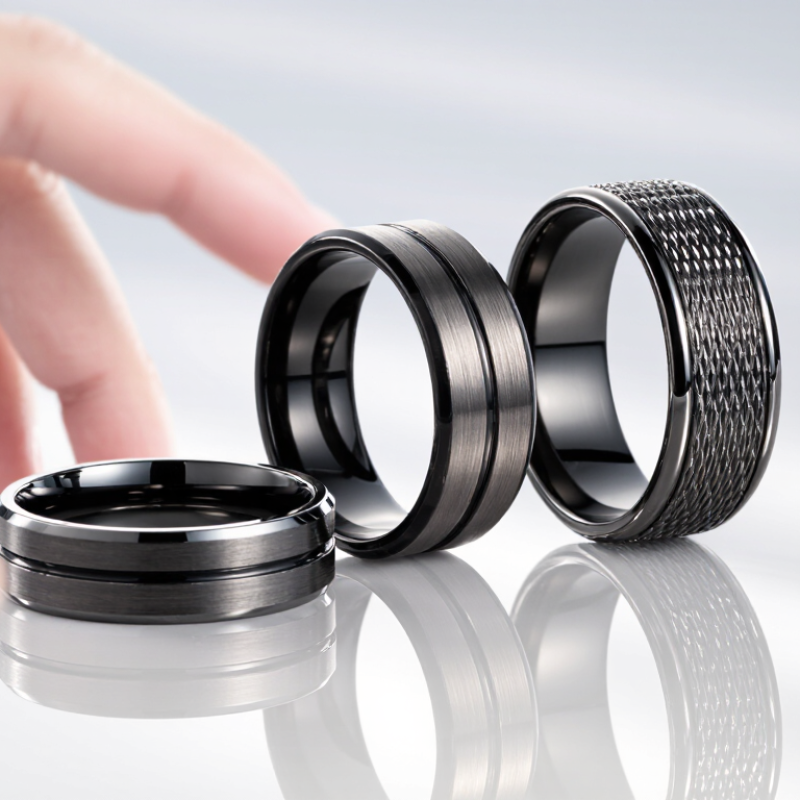
The dark color is created through controlled heat treatment. Oxygen reacts with the surface and forms zirconium oxide, a hard ceramic layer. It is not simply black paint. The layer bonds closely with the metal beneath it. Skilled makers may add brushed edges, polished interiors, or small design grooves. These details also reveal how evenly the ring was finished.

Zirconium is naturally resistant to corrosion and usually suits people with sensitive skin. It feels lighter than many traditional ring metals. However, “indestructible” is an unreliable description. The oxide surface can chip after a sharp impact, even when the metal body remains sound. Resizing may also be difficult because the material behaves differently from gold or silver. A careful jeweler should check the ring’s structure before making changes. I would also avoid judging quality by color alone; smooth edges, consistent finishing, and accurate sizing matter more in daily wear.


How Zirconium’s Properties Affect Ring Performance

Why Choose a Zirconium Ring?

How Zirconium’s Properties Affect Ring Performance

Zirconium’s performance starts with its surface, not its color. When exposed to heat and oxygen, the metal forms a dark zirconium oxide layer. This ceramic-like surface resists everyday corrosion from sweat, water, and household air. It also keeps the ring light, which matters during long workdays or frequent handwashing. Comfort is practical. Unlike highly conductive metals, zirconium usually feels less sharply cold against the skin.

During routine ring checks, fit often matters more than appearance. Zirconium’s low weight can reduce finger fatigue, especially with wider bands. Its oxide surface can handle normal contact with desks, tools, and clothing. However, it is not indestructible. A hard impact may chip or mark the surface, while deep damage can require professional refinishing. The ring may also be difficult to resize, depending on its construction.

Zirconium is generally considered skin-friendly, but the complete ring still deserves attention. Interior materials, coatings, and manufacturing quality can affect comfort. A polished inner surface feels smoother after repeated wear. A poorly finished edge can become noticeable by evening. Regular cleaning with mild soap and water removes residue without aggressive chemicals. I would avoid promising a perfect finish forever. Daily use leaves evidence, and that honest wear can reveal how well the ring matches your routine.

The Practical Advantages of Choosing a Zirconium Ring

Why Choose a Zirconium Ring?

The Practical Advantages of Choosing a Zirconium Ring

A zirconium ring feels lighter than many precious-metal bands. Pure zirconium has a density of about 6.5 grams per cubic centimeter, compared with roughly 19.3 for gold, according to standard material-property references. That difference is noticeable during a long day of typing or working with your hands. Comfort is personal, though; band width and fit matter just as much.

Zirconium also resists corrosion, making it practical for everyday wear. Black zirconium gets its color from a converted surface layer, not simply from paint. Still, it is not scratch-proof: a deep mark may expose the lighter metal beneath. Check the finish and care instructions before choosing one. Small details matter.

Supply context is useful, but it needs careful interpretation. The USGS Mineral Commodity Summaries 2025 estimates global zirconium-mineral-concentrate production at about 1.5 million metric tons in 2024; that figure covers mineral concentrates, not finished ring metal. For buyers, the more immediate trade-off is fit: many zirconium rings are difficult to resize after purchase. Get measured accurately, and ask a jeweler about sizing and removal options before committing. That step is easy to overlook.

What to Consider Before Selecting a Zirconium Ring

Why Choose a Zirconium Ring?

What to Consider Before Selecting a Zirconium Ring

Zirconium rings appeal to wearers who want a dark, modern surface without excessive weight. NIST lists zirconium’s density at about 6.52 g/cm³ and its melting point near 1,855°C. That combination supports a sturdy, lightweight feel during daily use. The metal also forms a protective oxide layer when exposed to air. This natural surface can improve corrosion resistance, but it does not make the ring indestructible.

Fit deserves careful attention. Finger size changes with heat, exercise, and time of day. A ring that feels perfect in a cool showroom may tighten after a long walk. Ask about resizing before ordering. Some zirconium rings are difficult or impossible to resize because of their construction. That small detail can become expensive later. Measure more than once.

Surface appearance also needs realistic expectations. A black or charcoal finish may show fine scratches, especially around the edges. Gentle cleaning with mild soap and a soft cloth is usually safer than abrasive products. The U.S. Geological Survey’s Mineral Commodity Summaries 2024 identifies zirconium materials as important in ceramics, refractories, and foundry applications, reflecting the metal’s heat and corrosion resistance. However, industrial performance does not equal unlimited jewelry durability. I would inspect the inner surface, edge profile, comfort, and care instructions before choosing. The most attractive ring may not be the most practical one.

How to Wear and Care for a Zirconium Ring

A zirconium ring is comfortable for everyday wear, but its finish still deserves care. Choose a size that feels secure without pinching; fingers can swell in warm weather or after exercise. If possible, check the fit when your hands are at a normal temperature. Small habits help. Take the ring off before lifting weights, gardening, or handling rough tools. A hard knock against a countertop can leave a mark, even on a durable metal.

After wearing it, rinse away soap or sweat with lukewarm water and dry it with a soft, lint-free cloth. For a black zirconium ring, check how its surface is made before using polish. Some dark finishes are created by surface oxidation, and deep scratches may expose a lighter tone. Abrasive pads and strong cleaners can make the difference more noticeable. Mild dish soap is usually enough. It is tempting to assume a tough ring needs no attention; that is not quite true. A quick rinse and careful storage away from other jewelry can help keep its finish looking even.

Article Source:

Go to Top