Where to Buy China Top PC200-7 PC300-8 Excavators?
Buying a China-sourced PC200-7/PC300-8 excavator requires more than comparing online prices. Buyers must verify origin, operating hours, specifications, and export documentation before payment. These models are commonly offered as used, refurbished, or second-hand machines. Their condition can vary significantly.
Industry data provides useful market context. The China Construction Machinery Association publishes excavator sales information and market trends. Its reports show that excavator demand moves with infrastructure investment, property activity, and replacement cycles. Off-Highway Research also tracks global construction equipment demand, regional sales patterns, and fleet renewal. Meanwhile, KHL’s Yellow Table ranks leading manufacturers by annual construction equipment revenue. These sources support a practical conclusion: market reputation matters, but each machine still requires independent inspection.
Where should buyers look? Established Chinese machinery exporters, authorized dealer networks, verified trading platforms, and auction companies can all be considered. Ask for the serial number, engine plate photographs, maintenance records, hydraulic test results, and a cold-start video. Small details matter. Check the bucket linkage. Inspect cylinder rods for scoring. Listen for abnormal swing-motor noise.
Do not trust polished photos alone. A clean cab may hide worn pumps or repaired frames. I would not treat a low quote as a bargain without checking shipping, customs, warranty, and spare-parts support. Model year, configuration, and local compliance requirements can differ. Independent inspection remains essential, especially when the seller is overseas. Reliable suppliers explain limitations clearly, provide traceable documents, and accept reasonable pre-shipment verification.
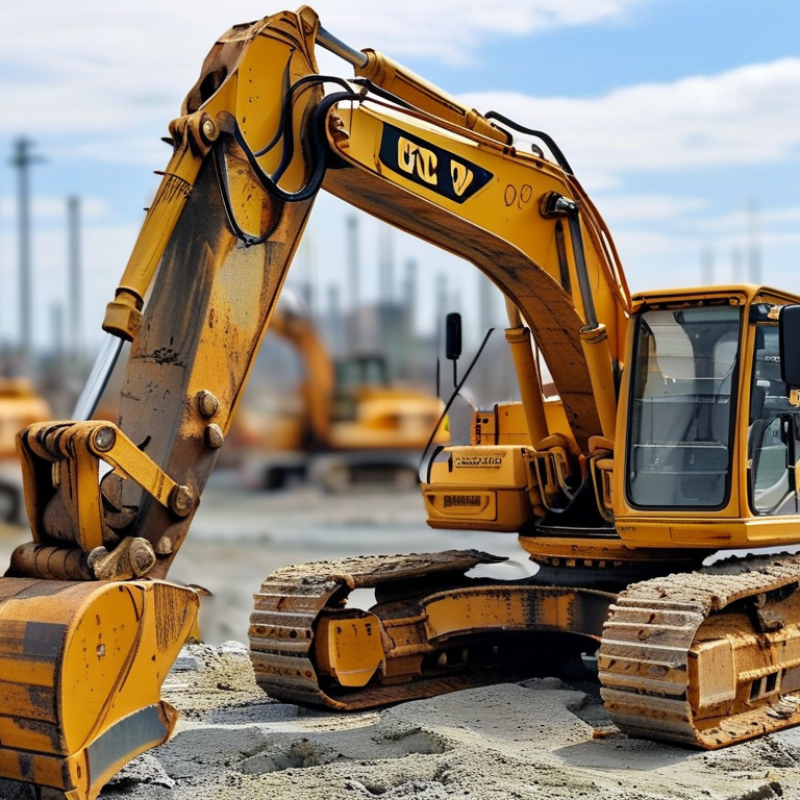
Understanding the China PC200-7 and PC300-8 Excavator Models
The PC200-7 and PC300-8 are commonly classified as 20-ton and 30-ton excavators. Their operating weights usually range from 20 to 22 tonnes and 30 to 32 tonnes. Actual figures depend on the boom, bucket, counterweight, and undercarriage. The PC200-7 suits roadwork, drainage, and general earthmoving. The PC300-8 offers greater digging force for quarry work, deep foundations, and heavy loading. It also needs wider transport planning and stronger ground support.
China’s Construction Machinery Industry Association reported about 195,000 excavators sold in China during 2023. Exports represented more than half of those sales. This indicates strong international supply capacity, but not every used machine deserves the same trust. Buyers should verify serial records, hydraulic pressure, engine smoke, travel motor balance, and hour-meter consistency. Check the swing bearing closely. Small movement can signal expensive wear. Independent inspection matters.
When sourcing these models, compare factory-direct listings, established machinery dealers, and verified auction platforms. Request cold-start videos, oil-analysis reports, maintenance invoices, and clear undercarriage photographs. Off-Highway Research identifies Asia as the largest regional market for construction equipment, supporting broad parts availability. Still, parts support varies by destination. I would not rely on model labels alone. Some advertised machines have mixed components or incomplete repair histories. A lower purchase price can become costly after shipping, customs handling, and hydraulic refurbishment. Specification sheets are useful, but physical evidence is better.

Comparing Specifications, Applications, and Ownership Costs
When comparing PC200-7 and PC300-8 excavators, start with working conditions, not the purchase price. The PC200-7 class usually weighs about 20 tonnes and suits roadwork, drainage, farm construction, and medium excavation. Its smaller footprint can reduce transport and fuel expenses. The PC300-8 class often approaches 30 tonnes, offering stronger digging force and a larger bucket for quarry work, deep foundations, and heavy earthmoving. Bigger is not always better.
Check the actual configuration carefully. Engine condition, hydraulic response, bucket size, operating hours, and undercarriage wear can change productivity significantly. Published specifications may look precise, but used machines often tell a different story. Ask suppliers for cold-start videos, serial-number photos, oil analysis, maintenance records, and recent load-test results. A third-party inspection is worth considering, especially when buying remotely from China. Small details matter.
Ownership cost includes more than the invoice. Estimate ocean freight, inland delivery, import duties, insurance, filters, hydraulic oil, and replacement tracks. The PC300-8 may move more soil per hour, yet its fuel use and component prices are usually higher. The PC200-7 can be easier to place on smaller sites, but limited capacity may increase labor hours. Confirm parts availability and warranty terms in writing. Some suppliers offer attractive prices, but after-sales support can be uneven. That risk deserves a realistic budget.
Where to Buy China Top PC200-7 PC300-8 Excavators? - Comparing Specifications, Applications, and Ownership Costs
The chart compares commonly published specifications for the PC200-7 and PC300-8 excavator configurations. Values are indexed to the PC200-7 baseline, while the tooltips show the corresponding reference figures. The PC200-7 is generally more suitable for roadwork, utility construction, landscaping, and sites with tighter access. The PC300-8 provides greater bucket capacity and lifting potential for quarrying, heavy earthmoving, and large infrastructure projects. Its higher operating weight and engine output normally result in higher fuel, transport, and maintenance costs.
Reference specifications: PC200-7 — approximately 19,800 kg operating weight, 110 kW net power, 0.80 m³ standard bucket, and 6.62 m maximum digging depth; PC300-8 — approximately 30,300 kg, 140 kW, 1.40 m³ standard bucket, and 7.38 m maximum digging depth. Actual figures vary by configuration, attachments, and working conditions.
Finding Reliable Chinese Suppliers and Manufacturers
Where to Buy China Top PC200-7 PC300-8 Excavators?
Finding Reliable Chinese Suppliers and Manufacturers
Reliable sourcing begins with factory verification, not attractive online photographs. Look for suppliers with clear company registration, production addresses, and consistent contact details. Ask whether they manufacture, rebuild, or trade excavators. The difference affects pricing, parts access, and technical support.
Request the machine’s serial information, operating hours, maintenance records, and inspection photographs. A dependable supplier should provide engine, hydraulic, and undercarriage details without hesitation. Ask for a cold-start video taken on the same day. Check smoke levels, hydraulic response, track movement, and unusual noise. Small details matter.
Verify export experience through references, inspection reports, and payment documentation. Independent pre-shipment inspections can confirm the machine’s actual condition. Do not rely only on a translated specification sheet. It may contain errors. A practical contract should describe model, year, attachments, warranty scope, delivery terms, and replacement-part responsibilities. Confirm parts availability before choosing a lower-priced offer. Cheap equipment can become expensive when seals, pumps, or control components are difficult to source.
Communication quality is another useful test. Suppliers who answer technical questions precisely usually manage problems better after delivery. Still, confidence should not replace evidence. Ask for recent customer references and compare several quotations with identical specifications. A manufacturer may offer customization, while a trading company may provide broader inventory. Neither option is automatically better. Careful verification remains essential.
Verifying Machine Condition, Documents, and Quality Standards
Where to Buy China Top PC200-7 PC300-8 Excavators?
A reliable purchase starts with condition, not the advertised price. KHL’s Yellow Table 2024 reported an 8.5% decline in global construction equipment sales in 2023, reaching about $238.7 billion. Softer markets can encourage rushed listings and unclear machine histories. Buyers should inspect PC200-7 and PC300-8 excavators in person, or hire an independent technician. Ask for a cold-start video. Check exhaust color, engine blow-by, oil leaks, hydraulic response, swing vibration, and undercarriage wear. A clean exterior proves little.
Documents matter just as much. Match the serial plate with the invoice, export records, maintenance logs, and engine hours. Look for consistent dates and service intervals. Request oil-analysis results when available. They reveal metal particles and coolant contamination better than photographs. The hour meter may be replaced. It happens. Treat it as evidence, not truth. Confirm operating weight, bucket capacity, hydraulic pressure, and attachment compatibility against the model specifications. A short load test can expose slow cylinders or overheating.
Quality control should follow recognized systems. ISO 9001:2015 supports documented inspection and corrective-action processes, while ISO 20474-5 addresses safety requirements for hydraulic excavators. These standards do not guarantee a perfect used machine. They create a traceable process. Request pre-shipment inspection records, photographs of hidden areas, and a written defect list. Weak paperwork is a warning. So is unusual urgency. Compare several suppliers, verify testing personnel, and keep every promise in writing.
Managing Purchase, Shipping, and After-Sales Support
Where to Buy China Top PC200-7 PC300-8 Excavators?
Managing purchase, shipping, and after-sales support requires more than comparing the lowest quotation. China Construction Machinery Association reported 195,018 excavators sold in 2023, including 105,038 exported units. This volume supports strong supplier competition, but machine condition can vary sharply. Request engine hours, maintenance records, hydraulic pressure tests, serial-number photos, and a cold-start video. A clean repaint is not proof of good condition.
Shipping planning should begin before payment. UNCTAD reports that maritime transport carries over 80% of global merchandise trade by volume. For a PC200-7 or PC300-8, confirm the machine’s measured dimensions, operating weight, lifting points, and container or breakbulk plan. Ask for a written cost sheet covering inland transport, port handling, insurance, documentation, and destination charges. Incoterms matter. A low factory price can become expensive after arrival.
After-sales support deserves equal attention. The supplier should provide parts diagrams, troubleshooting guidance, warranty terms, and response times in writing. Keep common filters, seals, hoses, and sensors available locally. The American Rental Association’s equipment data repeatedly shows that utilization depends heavily on uptime and maintenance discipline. That lesson applies here. Some buyers, including experienced ones, overlook training for operators and technicians. I would not ignore that weakness. A remote video inspection helps, but it cannot replace an independent physical inspection before loading. Keep a small contingency budget; unexpected repairs are common with used excavators.