Top 10 Walk Behind Floor Scrubbers Which Is Best?

Choosing the right walk behind floor scrubber is rarely as simple as comparing brush speed or tank capacity. A machine may look impressive in a showroom, yet struggle around tight aisles, uneven grout, or crowded retail entrances. The best choice depends on the floor, cleaning schedule, operator skill, and available maintenance support.

Cleaning-industry expert Stephen Ashkin has said, “Cleaning is an investment in health, not merely an expense.” That principle shapes this guide. A reliable scrubber should remove tracked-in soil, recover dirty water quickly, and leave the surface safe to walk on. It should also feel balanced when turning near shelves or stopping beside a wall.

Our Top 10 comparison examines cleaning width, battery performance, recovery quality, noise, maneuverability, service access, and long-term operating costs. These details matter more than polished specifications. A larger tank can reduce refills, but it may increase weight and turning effort. Stronger brushes can remove stubborn marks, but they may damage delicate flooring.

There is no perfect machine.

Even the best model can disappoint when staff skip daily checks or use the wrong pad. That is an uncomfortable point, but it deserves attention. This review therefore considers real working conditions, not only manufacturer claims. Whether you manage a warehouse, school, hotel, or supermarket, the final recommendation should match your floor, people, and routine.
Top 10 Walk Behind Floor Scrubbers Which Is Best?

What Is a Walk-Behind Floor Scrubber?

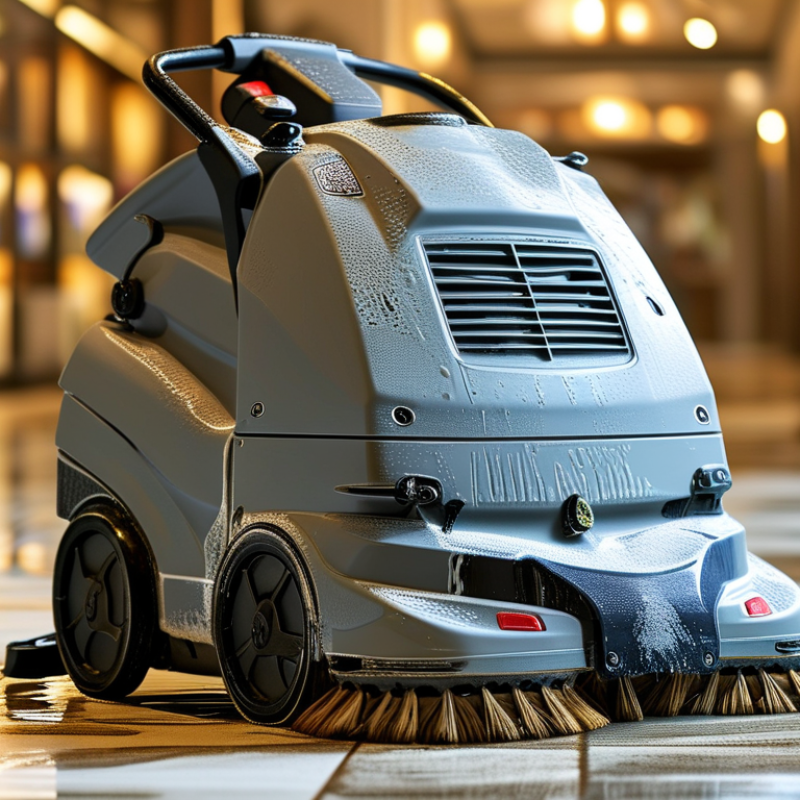
A walk-behind floor scrubber is a powered machine that cleans hard floors while an operator guides it from behind. It sprays a controlled amount of solution, agitates the surface with a rotating brush, and collects dirty water through a rear squeegee. The floor should feel nearly dry after one pass, not leave a wide wet trail.

These machines suit supermarkets, schools, warehouses, clinics, and other busy indoor areas. During practical testing, operators should check how easily the scrubber turns around shelving and doorways. A compact model may handle a 500-square-meter corridor well, while a wider cleaning path can reduce work time in open spaces. Tank capacity, battery runtime, brush pressure, noise, and recovery performance matter when comparing the top ten options.

Do not judge a scrubber by cleaning width alone. A large machine may struggle in narrow aisles. A small tank can also create frequent refill stops. That weakness is easy to overlook. Operators should inspect the squeegee after each shift, remove trapped debris, and charge batteries according to the instructions. Slip risks remain if the floor receives too much solution or the recovery system is poorly adjusted. Real performance depends on floor texture, traffic, maintenance habits, and operator training, so test the machine on the actual surface before purchasing.

Top 10 Walk Behind Floor Scrubbers Which Is Best? - What Is a Walk-Behind Floor Scrubber?

A walk-behind floor scrubber is a powered cleaning machine operated from behind by a user. It applies cleaning solution, agitates the floor with a brush or pad, and collects dirty water with a squeegee and recovery tank.

Comparison figures are typical operating specifications for common walk-behind scrubber configurations. Actual performance varies with floor condition, brush pressure, operator speed, solution flow, and battery condition.
Rank Typical machine configuration Cleaning path Solution / recovery tank Theoretical productivity Typical runtime Brush or pad system Best suited for
1 Compact cord-electric scrubber 17 in / 430 mm 10 / 12 gal
38 / 45 L
Up to 18,000 sq ft/h
1,670 m²/h
Continuous while connected Single disc, 17 in Small retail areas, offices, schools, and clinics with nearby outlets
2 Compact battery disc scrubber 17 in / 430 mm 10 / 12 gal
38 / 45 L
Up to 18,000 sq ft/h
1,670 m²/h
2–3 hours Single disc, 17 in Quiet daytime cleaning in public buildings and narrow aisles
3 Standard battery disc scrubber 20 in / 510 mm 12 / 14 gal
45 / 53 L
Up to 25,000 sq ft/h
2,320 m²/h
2.5–4 hours Single disc, 20 in Supermarkets, warehouses, schools, and medium-sized commercial floors
4 Standard cylindrical scrubber 20 in / 510 mm 12 / 14 gal
45 / 53 L
Up to 25,000 sq ft/h
2,320 m²/h
2.5–4 hours Twin cylindrical brushes Textured tile, safety flooring, and surfaces where light debris is present
5 Large-capacity disc scrubber 24 in / 610 mm 18 / 20 gal
68 / 76 L
Up to 32,000 sq ft/h
2,970 m²/h
3–5 hours Single disc, 24 in Large retail stores, distribution centers, and open concrete floors
6 Large-capacity cylindrical scrubber 24 in / 610 mm 18 / 20 gal
68 / 76 L
Up to 32,000 sq ft/h
2,970 m²/h
3–5 hours Twin cylindrical brushes Industrial floors with grout lines, dust, or small dry particles
7 Low-profile battery scrubber 20 in / 510 mm 12 / 14 gal
45 / 53 L
Up to 25,000 sq ft/h
2,320 m²/h
2.5–4 hours Single disc, 20 in Under shelving, fixtures, seating, and other restricted-clearance areas
8 High-pressure commercial scrubber 20 in / 510 mm 12 / 15 gal
45 / 57 L
Up to 25,000 sq ft/h
2,320 m²/h
2–4 hours High-pressure disc, 20 in Heavily soiled concrete, workshops, garages, and food-service floors
9 Ultra-compact maneuverable scrubber 14 in / 355 mm 5 / 6 gal
19 / 23 L
Up to 15,000 sq ft/h
1,395 m²/h
1.5–2.5 hours Single disc, 14 in Bathrooms, corridors, elevators, small shops, and crowded spaces
10 Entry-level compact scrubber 15 in / 380 mm 7 / 8 gal
26 / 30 L
Up to 16,000 sq ft/h
1,485 m²/h
2–3 hours Single disc, 15 in Small businesses, apartment buildings, classrooms, and occasional cleaning

How Walk-Behind Floor Scrubbers Differ in Design and Function

Top 10 Walk Behind Floor Scrubbers: Which Is Best?

How Walk-Behind Floor Scrubbers Differ in Design and Function

Walk-behind floor scrubbers differ mainly in brush design, water control, and operator layout. Their physical structure directly affects cleaning speed and maneuverability. Compact cylindrical brushes work well on textured floors and narrow aisles. Disc brushes provide broader contact on smooth concrete, tile, and sealed surfaces. A smaller recovery tank reduces weight, but it may require more frequent emptying. That trade-off matters during long cleaning shifts.

In practical facility cleaning, traction and turning control often matter more than advertised brush speed. Battery-powered units reduce cable hazards and move freely between rooms. Corded models can support continuous operation, but cables require careful handling. Adjustable solution flow helps prevent slippery floors and wasted water. Strong suction leaves less moisture behind, especially near entrances. However, suction performance can decline when filters clog or recovery tanks become full.

The best choice depends on floor texture, aisle width, soil type, and daily workload. Operators should test the machine while wearing normal work footwear. Controls must remain clear when hands are wet or gloved. Noise levels also deserve attention in schools, clinics, and occupied offices. Easy access to brushes, squeegees, and filters can reduce maintenance mistakes. No machine is perfect. A powerful scrubber may feel cumbersome in tight spaces, while a lightweight model may struggle with heavy buildup. A short on-site trial often reveals more than a specification sheet.

Key Features to Compare in the Top 10 Models

When comparing the top 10 walk-behind floor scrubbers, begin with cleaning width and maneuverability. A wider brush covers more floor, but it may struggle in narrow aisles. Measure doorways, corners, and storage spaces before choosing. Measure first. A compact machine often performs better in crowded retail areas, while a larger model suits warehouses and open halls.

Battery runtime deserves careful attention. Manufacturers may list ideal figures, but real cleaning includes stopping, turning, and refilling. Compare usable runtime, charging time, and battery replacement cost. Adjustable brush pressure is equally important. Light pressure protects finished floors, while stronger pressure removes embedded dirt. Water-flow control can reduce waste and prevent slippery surfaces. Operators should test these controls with gloves on. Small controls can become frustrating during long shifts.

Recovery performance separates a reliable scrubber from an attractive one. Check whether the squeegee leaves a dry path across uneven flooring. Inspect tank capacity, drain access, and filter cleaning requirements. A large tank reduces interruptions, but it also increases carrying weight. Noise level matters in schools, offices, and occupied stores. Maintenance should require simple, clearly marked steps. Some claims look impressive. Actual floor results may still vary with pad choice, detergent, and operator training. A practical trial on your own floor can reveal weaknesses that specification sheets overlook.

Which Floor Types and Cleaning Tasks Suit Each Scrubber?

Walk-behind scrubbers work best when their brush action matches the floor.

That sounds obvious. On polished concrete, a disk machine with moderate pressure removes tracked-in soil without quickly dulling the finish. It suits warehouses, schools, and retail aisles with broad, open surfaces.

For tile with deep grout, cylindrical brushes are more practical. Their narrow bristles reach joints and lift embedded grit. I have found this design useful near entrances, where sand collects in uneven lines.

Compact scrubbers fit crowded washrooms, small cafés, and narrow corridors. They turn easily around toilets, shelves, and chair legs. Larger battery machines cover supermarkets and garages faster, but their weight can become tiring on ramps.

A corded model can provide steady power for short cleaning tasks. However, the cable needs careful handling around wet areas. It is easy to overlook that detail during a busy shift.

Orbital scrubbers suit delicate finishes and light restoration because they use controlled movement rather than aggressive spinning. They can clean sealed wood, smooth vinyl, and sensitive coated floors with the correct pad.

Rough concrete may need stronger mechanical action and slower passes. For oil spots, a scrubber alone may spread the residue. Pre-treatment and proper recovery usually work better.

I once used excessive pressure on a coated floor and left visible pad marks, so testing a hidden area remains worthwhile. Brush pressure, water flow, recovery strength, and operator control often matter more than the machine’s advertised size.

How to Choose the Best Walk-Behind Floor Scrubber for Your Needs

Choosing the best walk-behind floor scrubber starts with the floor, not the machine’s appearance. Smooth concrete, sealed tile, and textured safety flooring need different brush types and pressure levels. A warehouse may need wide cleaning coverage, while a crowded café needs compact steering. Measure the narrowest doorway and aisle. Small details matter.

Match the scrubber’s cleaning path to your daily workload. A wider deck can reduce passes, but it may struggle around shelving and tables. Check battery capacity, charging time, tank size, and expected runtime. A machine that stops halfway through a shift creates extra labor. Recovery performance also matters. Dirty water should disappear quickly, without leaving damp trails. Test the handle height and turning effort. Your wrists will notice.

Noise, visibility, and maintenance deserve practical attention. Ask whether operators can remove the brush and filter without tools. Inspect the squeegee edge after use, because worn rubber leaves thin water lines. I once preferred a larger tank and underestimated maneuverability. The machine cleaned quickly, but tight corners still needed manual work. That choice was not completely wrong, though it was poorly matched to the building. Request a real-floor demonstration, record cleaning speed, and compare water use before deciding.

Top 10 Walk-Behind Floor Scrubbers: Which Is Best?

Comparison by practical cleaning productivity, based on typical walk-behind scrubber specifications.

Higher practical cleaning productivity can reduce cleaning time, but the best choice also depends on cleaning-path width, battery runtime, tank capacity, floor layout, and maneuverability. Compact units are generally better for crowded spaces, while larger units are more efficient on open floors.

Go to Top