What Are the Top 10 Dual Exhaust Systems?
Choosing among the top 10 dual exhaust systems takes more than chasing a deep rumble or polished tailpipes. A well-matched Dual Exhaust System can change sound, appearance, and exhaust flow, but results depend on the vehicle, engine, and installation. Fit matters. A pipe that clears the chassis on one model may sit too close to a spare tire or bumper on another.
Engine builder David Vizard’s performance-engine guidance supports a practical principle: exhaust sizing should suit the engine’s intended operating range. This is a paraphrase, not a verified verbatim quotation. It helps explain why “bigger” is not automatically better. The comparison ahead considers vehicle compatibility, pipe diameter, material, muffler design, sound level, installation demands, and stated warranty terms. It also separates advertised claims from details buyers can check, such as included clamps and whether modifications are required. Read the fitment notes closely.
Real-world trade-offs deserve attention. Stainless steel may resist corrosion, while a louder system can become tiring on a long commute. Those details are easy to overlook in glossy product photos. Some listings also leave questions unanswered, so confirm current fitment and local noise requirements before buying. No single system suits every driver. The rankings offer a starting point, not a substitute for checking your vehicle’s specifications and priorities.
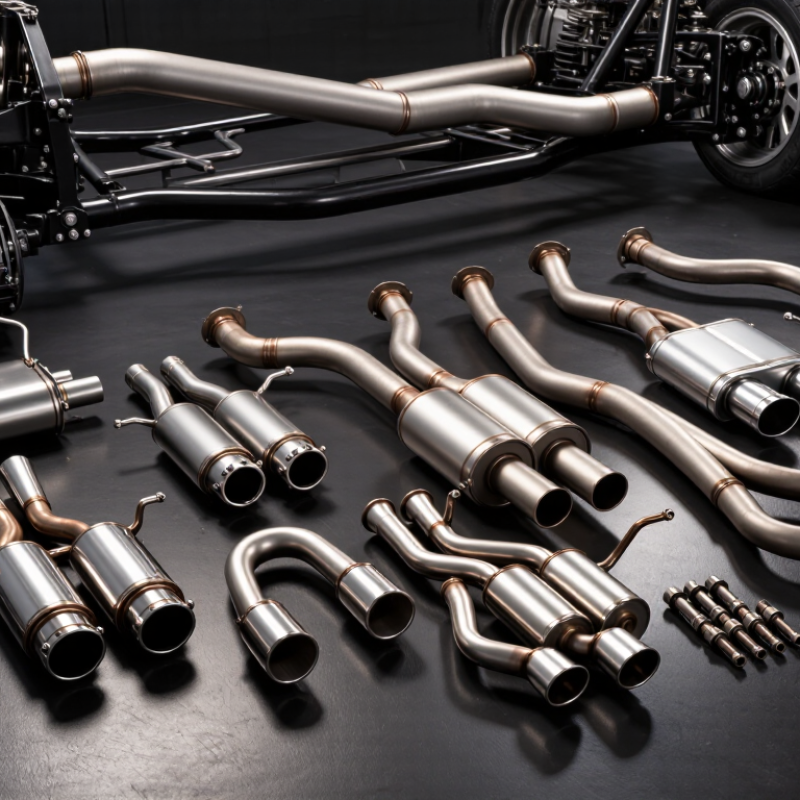
How Dual Exhaust Systems Work and Where They Fit
Dual exhaust systems use two outlet paths to carry engine gases toward the rear of a vehicle. In a true dual setup, the paths remain separate for much of the exhaust route.
A single exhaust with two tailpipes only divides near the back, so it is not the same arrangement. That distinction matters when comparing systems. Two pipes can change exhaust flow and sound, but they do not guarantee more power. Engine design, pipe diameter, and muffler choice all affect the result. Bigger is not always better.
Fit comes down to the vehicle’s layout and intended use. A technician should check space around the driveshaft, fuel tank, suspension, and heat-sensitive parts. Under the car, tight bends or a low-hanging pipe can mean less ground clearance. Small details matter.
The system should also work with required sensors and emissions equipment; removing or bypassing them can create problems. For a daily driver, cabin drone on a steady highway can be more irritating than a louder start.
I would not treat sound as proof of improved performance. It is easy to overlook that trade-off. A careful fitment check and realistic expectations are more useful than choosing pipes by appearance alone.
Criteria for Comparing the Top Dual Exhaust Systems
Criteria for Comparing the Top Dual Exhaust Systems
A useful comparison starts with vehicle fitment. Check the exact model year, engine, and body style; small differences can affect pipe routing. Then look at pipe diameter and bend quality. Wider pipes are not automatically better, since an unsuitable diameter may weaken low-speed response. Smooth bends can help maintain flow. Material matters, too. Stainless steel resists road moisture, while aluminized steel may cost less but needs closer attention around seams.
Sound is personal. Listen for a clear tone without excessive cabin drone at steady highway speed. Ask whether sound measurements were taken under consistent conditions; phone recordings can be misleading. Consider muffler design, tailpipe placement, and whether the system keeps adequate ground clearance. Check installation requirements as well. A kit that needs cutting or welding may take more time than a bolt-on setup. Not always a deal-breaker.
For a fair ranking, compare documented power results from similar vehicles, not isolated peak figures. Dyno results can vary with tuning, temperature, and test method. Review materials, weld quality, included hardware, and warranty terms, then weigh them against total cost. A heavier system may feel robust, yet add weight; a louder one may sound impressive outside and tiring inside. There is no perfect scorecard. The best choice depends on daily use, budget, and tolerance for noise.
Ten Notable Dual Exhaust Systems by Vehicle Type and Use
A rear-wheel-drive V8 may suit a true dual system, with separate pipes running from the engine to the rear. An X-pipe can smooth the exhaust pulse and produce a sharper tone. An H-pipe often keeps a deeper note. Neither layout guarantees extra power; engine design and tuning matter. Fitment matters.
For compact cars, a dual-exit system using one main pipe can add two visible tailpipes without requiring two full-length pipes. An axle-back setup changes the rear section and may be simpler to install. A cat-back system replaces more piping and can offer a broader sound change. Turbocharged cars may use a turbo-back layout, but only where the parts meet local emissions requirements. Check carefully.
Pickup trucks have different needs. A side-exit dual system can keep tailpipes clear of a trailer hitch, while a rear-exit layout may suit everyday hauling. SUVs often benefit from tucked outlets that reduce exposure to bumps and road debris. For long-distance driving, resonated dual pipes can help limit cabin drone. Lightweight tubing may appeal to performance-focused builds, though durability varies by material and climate. I would not rank these as universal winners; clearance, sound tolerance, and professional fitment can change the best choice.
How Materials, Design, Sound, and Performance Differ
What Are the Top 10 Dual Exhaust Systems?
How Materials, Design, Sound, and Performance Differ
A dual exhaust system’s material affects weight, corrosion resistance, and price. ASM International’s materials data place 304 stainless steel near 8.0 g/cm³ and titanium near 4.5 g/cm³. That is about 44% lower density for titanium, though a complete system will not be 44% lighter. Aluminized steel often costs less, but scratches or damaged coatings can expose steel to rust. Material choice matters.
Design changes the sound as much as pipe count. Larger pipes may deepen the tone, while mufflers and resonators shape volume and reduce harsh frequencies. Too-large tubing can weaken exhaust-gas velocity at some engine speeds; gains depend on the engine and setup. A dual layout also does not guarantee more horsepower. Look for independent dynamometer results measured on the same vehicle, under comparable conditions. Loud is not automatically faster.
Tips: Check pipe diameter, ground clearance, corrosion warranty, and local noise limits before buying. Ask whether the quoted power gain was measured at the wheels or estimated. That distinction is easy to miss. A polished finish can look convincing, but it cannot replace test data.
How to Select and Maintain a Dual Exhaust System
What Are the Top 10 Dual Exhaust Systems?
How to Select and Maintain a Dual Exhaust System
Choosing a dual exhaust system starts with your vehicle, not a catalog photo. Confirm that the layout fits your engine, chassis, and existing emissions equipment. Measure the space around the rear axle and check ground clearance, too. A pipe that hangs low may scrape on steep driveways. Bigger pipes are not automatically better; diameter should suit the engine and intended use. Keep the original parts until the new setup is tested.
Material affects durability and upkeep. Stainless steel generally resists corrosion better, while less expensive steel may need closer inspection, especially in wet or salty conditions. Think about sound before buying. A deep tone can be appealing, but cabin drone may become tiring on a long commute. There’s a trade-off. If possible, listen to a similar setup in person, and confirm the system’s specifications with a qualified installer. Fitment details can be surprisingly easy to miss.
After installation, check the system once it has cooled. Look for loose hangers, rust, soot marks near joints, or pipes touching the body. A faint rattle can point to a simple clearance issue, but don’t ignore it. Recheck clamps and mounts according to the manufacturer’s instructions, and have damaged or leaking sections assessed promptly. I’d also keep a note of unusual sounds; memory is less reliable than it feels.
What Are the Top 10 Dual Exhaust Systems?
Compare ten common exhaust layouts by tailpipe outlet count and the number of crossover connections. These are configuration examples, not a brand ranking; exact designs vary by vehicle.
How to select and maintain: Choose a layout that fits your vehicle, intended use, noise requirements, and local regulations. Periodically check pipes, joints, mufflers, and hangers for corrosion, leaks, or damage, and follow the vehicle maker’s service guidance.