10 Piezo Switch Buying Tips for Global Buyers?
Buying a Piezo Switch for international equipment is not a simple catalog decision. A supplier may highlight a stainless-steel face, a long service life, or an IP rating. Those details matter, but they do not tell the whole story. Global buyers must also examine actuation force, response time, mounting depth, connector design, electrical load, and environmental testing.
Dr. Walter Heywang, a recognized piezoelectricity expert, described the technology as “the coupling between mechanical and electrical phenomena.” That principle explains why a Piezo Switch can operate without conventional moving contacts. It also explains why surface pressure, panel thickness, and installation conditions deserve careful attention. A switch that performs well on a laboratory panel may behave differently behind a thick, gloved control surface.
Small details decide reliability.
This guide presents ten practical buying tips for global purchasers, equipment designers, and control-panel manufacturers. It considers documentation quality, sample testing, customization limits, compliance evidence, warranty terms, and long-term supply stability. Buyers should request drawings, test reports, operating limits, and clear definitions for ratings such as IP65 or IP67. Marketing language alone is insufficient.
The process is not flawless. A technically attractive switch can still fail when the cable exits at the wrong angle, the bezel conflicts with a gasket, or the supplier changes materials without clear notice. That is why comparison should include physical samples and installation trials. Price remains relevant, but the cheapest unit may create higher replacement and service costs later. These ten tips aim to support careful decisions without treating any single specification as proof of complete product quality.
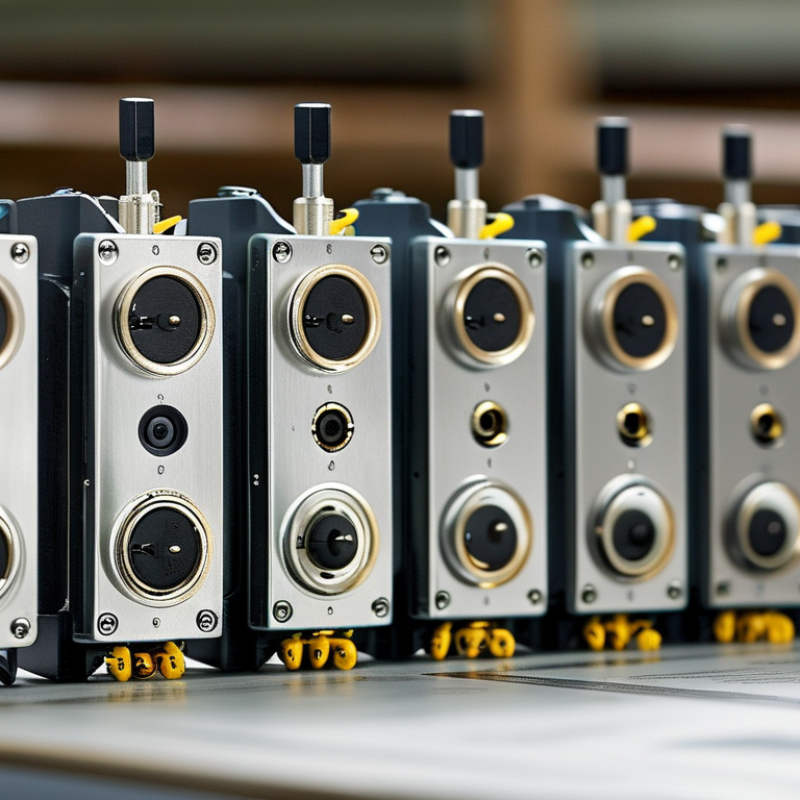
Define Piezo Switch Basics: Solid-State Action and 10M+ Cycle Life
Piezo switches use solid-state action rather than mechanical contacts. Pressing the actuator stresses a piezoelectric element, creating a small electrical signal for the controller. There is no metal contact rubbing or spring mechanism wearing out. That design supports clean panels, low maintenance, and resistance to vibration. Very quiet, too.
10M+ cycle rating sounds decisive, but buyers should read the test conditions. Temperature, impact force, seal design, and signal electronics can change the result. IEC 60512 provides endurance test methods for electrical connections, while IEC 60529 defines IP protection ratings. These standards help compare evidence, but they do not automatically certify every piezo switch for ten million operations. I would not trust the headline alone.
Automation growth makes this distinction practical. The World Robotics 2024 report recorded 541,302 industrial robot installations in 2023, increasing demand for durable operator interfaces. In dusty cells or glove-controlled panels, a sealed piezo switch can reduce exposed failure points. Check the specified actuation force, output type, operating temperature, and verified cycle-test report. Ask whether testing used a complete assembly or only the sensing element. The weak point may be the connector, not the switch. That detail is easy to miss.
Verify IEC 60529 IP Ratings: IP67/IP68 Protection for Dust and Water
For global buyers, an IP rating is more than a sales-line specification. IEC 60529 defines how an enclosure resists solid particles and water under controlled tests. IP67 means dust-tight protection and temporary immersion in water. IP68 also requires dust-tight protection, but immersion depth and duration must be stated. They are not interchangeable. Details matter.
Ask for the complete test report, not only a certificate image. Confirm the tested switch matches the offered model, gasket, connector, cable, and panel thickness. A piezo switch may pass testing alone, then leak after installation. Check the panel cutout, tightening method, and sealing surface. Water can enter through a poorly seated O-ring. It happens. IP tests usually use clean water and controlled conditions, unlike salt spray, vibration, chemicals, or pressure washing. Treat the rating as specific evidence, not universal armor.
For IP68 purchases, write the required depth and exposure time into the technical agreement. Verify whether the rating covers the front face only or the complete assembly. Request production inspection records when the switch will operate outdoors, on machinery, or near frequent washdowns. Also inspect samples after repeated installation cycles; seals can deform. This step is sometimes skipped. It should not be. Leave a margin for aging, because laboratory performance can decline with ultraviolet light, temperature changes, and careless cleaning.
Assess IEC 61000 EMC, -40°C to +85°C, and IK Impact Requirements
10 Piezo Switch Buying Tips for Global Buyers?
In real control-panel reviews, a piezo switch can look suitable but fail during EMC testing. Ask for IEC 61000 test details, not only a compliance logo. Check immunity levels for electrostatic discharge, radiated fields, fast transients, and surges. Request test conditions, wiring layouts, and performance limits. A datasheet alone can mislead. Confirm whether the complete assembly was tested, including the cable and controller. Short cables may pass easily, while a two-meter harness behaves differently.
Temperature claims need equal attention. Verify operation from -40°C to +85°C, not merely storage conditions. Ask whether activation force, response time, sealing, and illumination remain stable across that range. Reviewers should inspect thermal cycling reports and test samples after repeated exposure. Small details matter. Condensation can appear when equipment moves from a cold truck into a warm room. The switch may survive, but the surrounding panel may not.
IK impact ratings also require careful reading. Confirm the exact IK level, impact energy, test direction, and number of strikes. A front lens can resist a direct hit while its mounting ring cracks. Check the installation surface, gasket compression, and tightening torque. Global buyers should request samples and repeat impacts in their own panel design. This step is sometimes skipped, unfortunately. Also verify marking, documentation, and replacement availability for the target market. A lower price is not useful if testing must be repeated.
Confirm Global Compliance: RoHS, REACH, CE, UL, MOQ, and Lead Time
Global buyers should treat compliance as a purchasing checkpoint, not a final paperwork task. For a piezo switch, request a current RoHS declaration and REACH material statement. Ask which substances were assessed and whether the documents cover the exact model, cable, seal, and housing. CE marking needs careful review. Confirm the applicable directives, test basis, and signed declaration of conformity. CE is not a universal quality certificate. If UL recognition is needed, verify the required category, file information, and acceptable component status for the finished equipment.
Do not overlook MOQ and lead time. A low unit price may become expensive when the minimum order exceeds your trial demand. Request sample quantities, production capacity, and a written schedule from approval to shipment. I have seen projects stall because the switch fit the panel but failed the cutout tolerance. Measure the actuator, mounting depth, gasket compression, and connector position with real samples. Ask about inspection records and change notification procedures. Small changes matter.
Keep evidence organized. Store declarations, test reports, drawings, and revision dates in one controlled file. A supplier’s answer may sound complete, yet one missing annex can weaken your technical review. Recheck requirements before mass production. Regulations and customer specifications can change, and assumptions age quickly.
Global Piezo Switch Buying Tip: Confirm RoHS Substance Limits
Before approving a piezo switch supplier, request a valid material declaration or test report confirming compliance with EU RoHS. The limits below apply to homogeneous materials; cadmium has a stricter maximum concentration than the other listed restricted substances.