How to Choose Commercial Floor Cleaning Machines?
Commercial floor cleaning machines can transform a busy facility, but the right choice is rarely obvious. A polished showroom, hospital corridor, and warehouse floor demand different solutions. Each surface has its own risks. Dust, oil, standing water, and heavy foot traffic affect performance. The best machine matches the floor, soil type, cleaning schedule, and available labor.
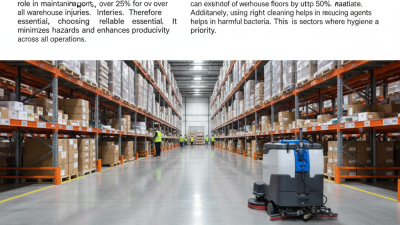
In practice, selection starts with a site inspection, not a product brochure. Measure aisle widths, doorway clearance, storage space, and average cleaning time. Check whether operators can reach corners, ramps, and areas beneath shelving. A compact scrubber may suit a retail store, while a ride-on model could improve productivity in a large distribution center. However, bigger is not always better. It may waste water, require wider access, and create difficult maintenance routines.
Look closely at brush pressure, recovery capacity, battery runtime, noise level, and service support. These details often influence daily results more than impressive sales claims. Ask for demonstrations on your actual flooring. Watch the machine remove tracked-in grit near entrances. Listen for unusual vibration. Inspect the floor after drying.
Safety and reliability matter equally. Choose equipment with clear controls, dependable parts availability, and documented operating guidance. Training should cover chemical handling, battery charging, spill response, and routine checks. No machine replaces good judgment. Even experienced teams can overlook drainage, ventilation, or operator fatigue. A thoughtful decision balances cleaning quality, ownership cost, and practical working conditions. Some recommendations may need revision after real-world testing. That is normal.
Define the Cleaning Requirements and Floor Conditions
Choosing a commercial floor cleaning machine starts with the building, not the equipment catalogue. Identify soil type, traffic levels, cleaning frequency, and available recovery time. A hospital corridor needs controlled moisture and quiet operation. A warehouse may require stronger agitation for oil, dust, and embedded grit. According to the U.S. Environmental Protection Agency, indoor pollutant levels can be two to five times higher than outdoor levels. Poorly removed dust can therefore affect more than appearance.
Inspect the floor condition closely. Note cracks, uneven joints, worn coatings, grout lines, and drainage limits. Hard floors may tolerate aggressive scrubbing, while resilient surfaces can suffer from excess water or harsh chemistry. The U.S. Bureau of Labor Statistics recorded 885 fatal occupational injuries involving falls, slips, and trips in 2023. A machine that leaves standing water creates a genuine maintenance risk. Test a small area first. A practical mistake is choosing maximum power when consistent recovery matters more.
Tips: Measure twice. Compare the machine’s brush pressure, cleaning width, noise rating, tank capacity, turning radius, and drying performance. Match these details to the site’s narrow aisles, lifts, doors, and working hours. Ask operators to test controls while wearing normal protective gloves. Their feedback often exposes problems that specifications miss. Record soil levels before and after cleaning, but do not expect one trial to reveal everything. Real floors behave inconsistently. Recheck the choice after a busy week.
Compare Machine Types and Cleaning Methods
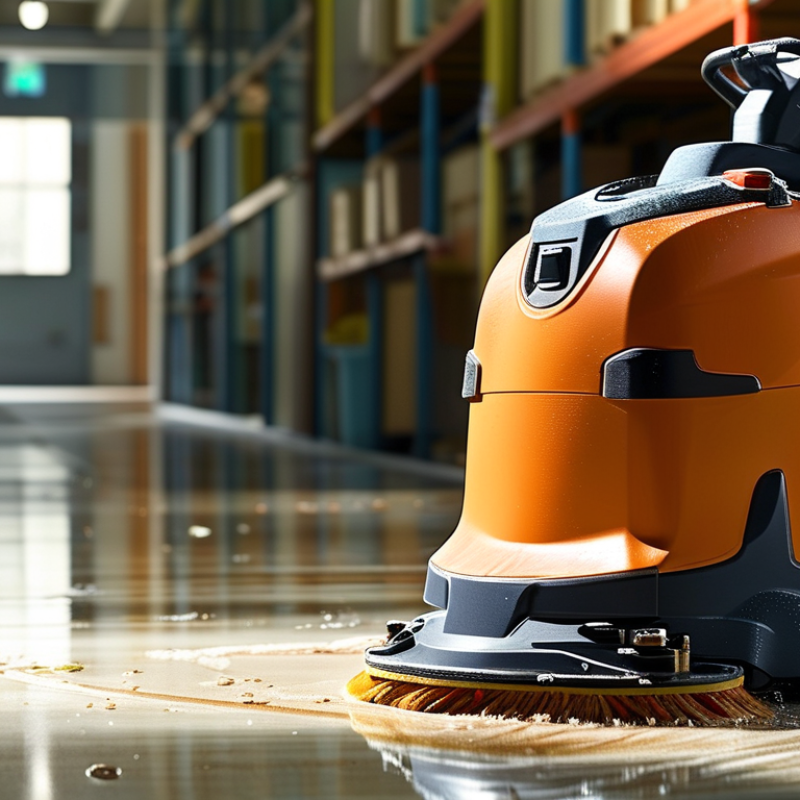
Choosing a commercial floor cleaning machine starts with the floor, not the equipment catalogue. In my experience, surface type, soil level, and daily traffic matter most. A single-disc machine suits small areas and detailed scrubbing. It can clean edges reasonably well, but it may leave water behind. A walk-behind scrubber dryer covers larger spaces faster. Its brushes agitate dirt while the recovery system removes dirty water. However, tight corners still need manual work.
Cleaning methods should match the soil. Daily dust responds well to vacuuming or dry sweeping. Greasy entrance floors need a measured neutral or alkaline solution, depending on the finish. Heavy marks may require rotary scrubbing with the correct pad. Soft pads protect delicate surfaces, while harder pads remove embedded soil. The wrong pad can create scratches within minutes. That mistake is expensive.
Cylindrical scrubbers can collect loose debris while washing textured floors. They are useful near entrances, kitchens, and uneven tiles. Low-speed machines offer controlled cleaning, while high-speed burnishers improve shine on suitable resilient floors. Shine is not always cleanliness. Test a small section first, then check slip resistance, drying time, and visible residue. I sometimes prefer slower cleaning because rushed passes leave damp stripes. Operators also need practical training, including solution measurement and safe cord handling. No machine wins every comparison. The best choice may change as the building, floor finish, and cleaning schedule change.
Check Safety Features, Maintenance Needs, and Operating Costs
Choosing a commercial floor cleaning machine starts with safety, not appearance. Check for an accessible emergency stop, automatic brush shutoff, and stable wheels. A clear recovery-tank indicator can prevent dirty water from overflowing near electrical areas. For night cleaning, low operating noise matters because staff may work nearby. Ask for documented safety testing and read the operating manual before purchase.
Maintenance needs can quietly increase costs. Inspect how easily operators can remove filters, squeegee blades, brushes, and tanks. Tools should not be necessary for every routine task. Daily rinsing may take only ten minutes, but neglected tanks can create odors and reduce cleaning performance. I once underestimated battery replacement costs on a busy site. That estimate was wrong. Check battery life, charging time, replacement intervals, and local service availability before comparing prices.
Tips: Calculate the cost per cleaning hour. Include electricity, water, detergent, labor, batteries, and planned repairs. Request a live demonstration on your actual floor, including corners and textured surfaces. Watch the operator empty the tanks and clean the machine. If this process feels awkward, staff may skip it later. Choose practical controls over unnecessary features. A cheaper machine can cost more when downtime, training, and frequent maintenance are included. Keep a simple maintenance log; small warnings are easy to miss.
Match the Machine to Your Facility and Purchasing Budget
Choosing a commercial floor-cleaning machine starts with your facility, not the catalog price.
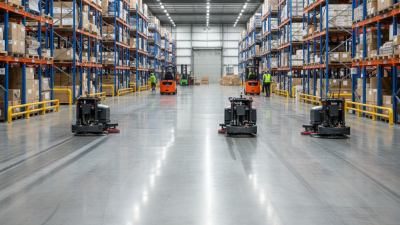
A compact scrubber may suit a 2,000-square-meter office with narrow corridors. A larger ride-on unit may fit an open warehouse, but only if doorways, ramps, and storage areas allow it. Measure aisle width, floor type, cleaning frequency, and drying time before comparing models.
Small details matter.
Your purchasing budget should include labor, water, batteries, maintenance, and downtime.
The U.S. Bureau of Labor Statistics reported median annual pay of about $35,660 for janitors and building cleaners in May 2023.
A machine that saves 30 minutes per shift can influence costs more than a low initial price.
However, savings estimates can be too optimistic. Test the machine during a real cleaning shift, with normal soil and traffic.
According to Grand View Research, the global commercial cleaning services market was valued at over $400 billion in 2023.
That scale reflects growing pressure for measurable productivity. Choose machines with practical controls, accessible recovery tanks, and service support that matches your facility.
Battery runtime also matters. A machine stopping halfway through a warehouse creates hidden labor costs. Water use deserves attention too, especially where wastewater handling is expensive.
Do not buy maximum capacity automatically.
Oversized equipment can waste money, space, and operator time.