How to Find a Reliable EV E Axle Supplier in China in 2026?
Total cost of ownership starts beyond the quoted unit price. A low offer may hide tooling, integration, transport, and failure-related expenses. Compare warranty length, mileage limits, claim procedures, and replacement-part availability. Ask whether coverage includes the motor, inverter, gearbox, sensors, and software updates. Cheap is rarely cheap.
Lead time needs evidence, not optimistic spreadsheets. Request production capacity, critical component sources, safety stock, and recent delivery records. A supplier promising six weeks should explain every stage, from order confirmation to end-of-line inspection. Ask for evidence. Small delays can interrupt vehicle assembly and create expensive idle labor.
Testing quality separates a dependable supplier from a persuasive salesperson. Review durability, thermal cycling, vibration, water-ingress, noise, and efficiency reports. Check test conditions, sample numbers, measurement equipment, and independent laboratory involvement. For 2026 projects, confirm applicable regional requirements for cybersecurity, functional safety, electromagnetic compatibility, traceability, and battery-electric vehicle systems. Compliance documents must match the exact e axle configuration, not a similar prototype. Dates need proof.
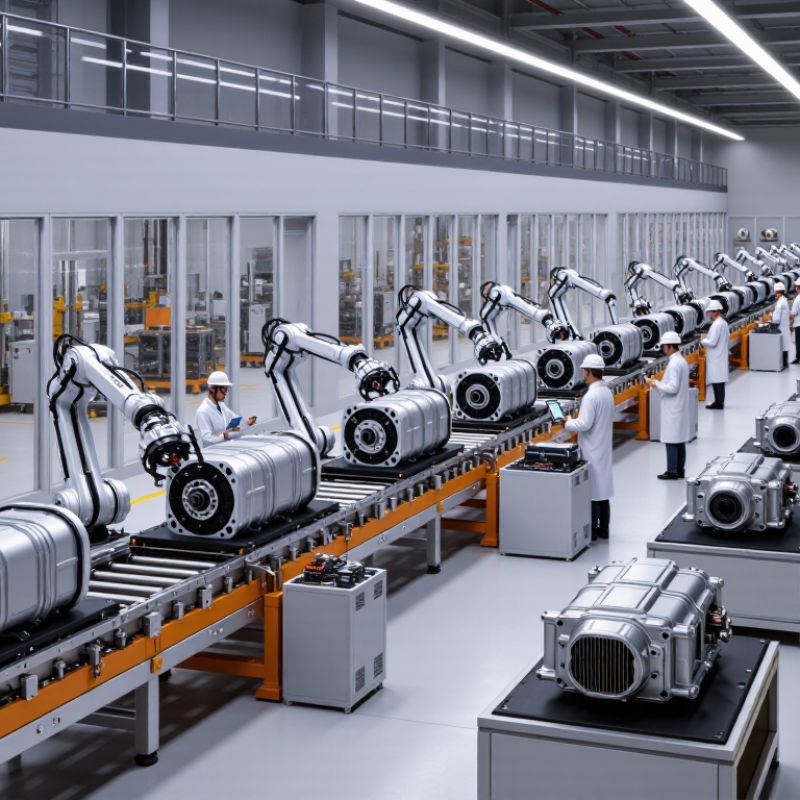
A factory audit should include engineering staff, calibration records, corrective-action reports, and sample teardown results. Do not accept polished presentations alone. One practical weakness remains: buyers often compare warranty terms without pricing probable downtime. Build a TCO model using failure rates, service hours, freight, and lost production. Then validate it with a pilot order before committing to full-volume supply.