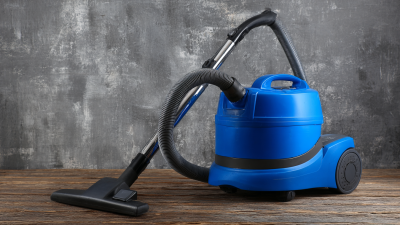
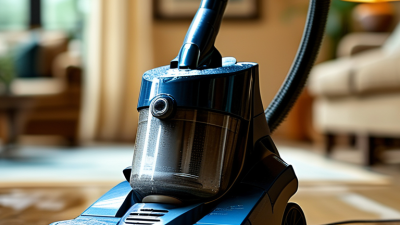
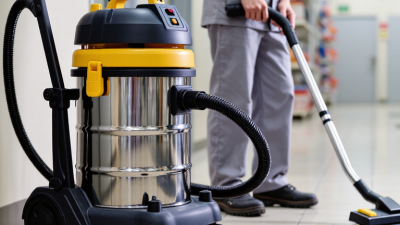
How to Choose a Wet Dry Vacuum Cleaner?
Choosing a wet dry vacuum cleaner is not simply a matter of selecting the highest wattage. A garage floor, flooded basement, car seat, and workshop bench create very different cleaning demands. The right machine must manage water, dust, debris, noise, storage, and safe disposal without becoming difficult to use.
Industry evidence shows why this decision deserves care. The U.S. Environmental Protection Agency reports that indoor pollutant levels can be two to five times higher than outdoor levels, making effective dust removal relevant beyond appearance. Meanwhile, Fortune Business Insights identifies the global vacuum cleaner market as a multibillion-dollar industry, with convenience and flexible cleaning driving product development. These figures describe the wider vacuum sector, not every wet dry vacuum cleaner. Market categories are inconsistent, so comparisons can be imperfect.
Technical standards offer a stronger reference point. IEC 60335-2-69 addresses safety requirements for commercial and industrial vacuum cleaners, including machines designed for wet collection. However, certification does not guarantee that a model fits your home. A powerful unit may feel excessive in a small apartment. A compact model may struggle with plaster dust or several litres of spilled water. I have found that hose diameter, filter access, tank capacity, and wheel stability often matter more than impressive advertising numbers.
This guide explains how to compare suction performance, filtration, wet-use protection, accessories, noise, maintenance, and long-term value. Expect practical checks. Lift the machine, inspect the drain, and imagine emptying a muddy tank beside your doorway. Small details matter. The best choice is not always the strongest one. It is the cleaner you can use safely, regularly, and without regret.
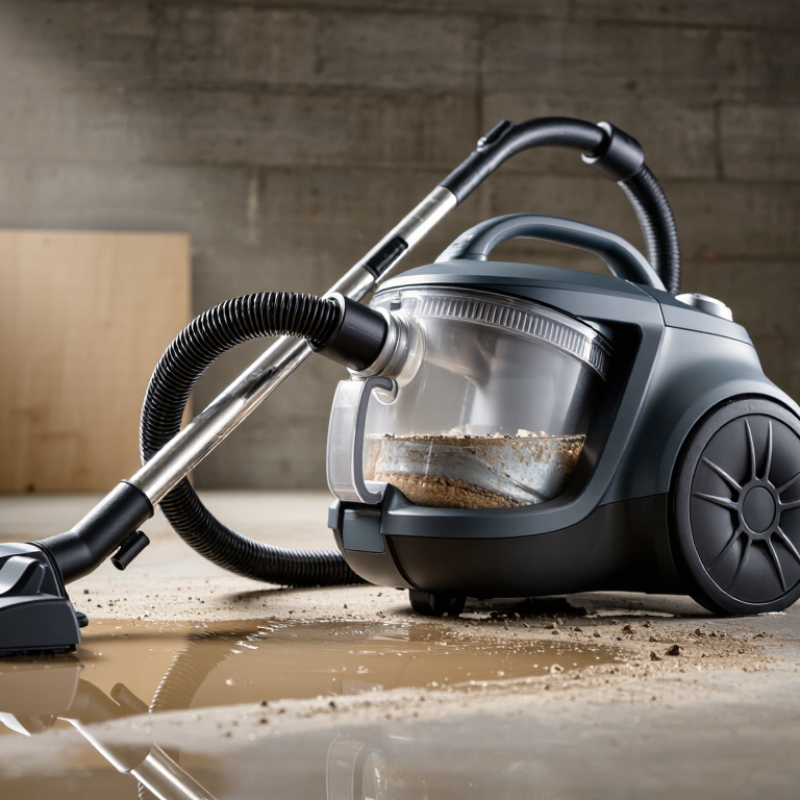
Define Your Cleaning Needs and Wet-Dry Vacuum Applications
Choosing a wet-dry vacuum starts with the mess, not the machine. I first separate daily dust, spilled liquids, pet hair, and renovation debris. Each task needs a different airflow, tank size, hose, and filter system. A small apartment may need a compact unit with easy storage. A workshop needs stronger suction, wider attachments, and a durable collection tank. The U.S. Environmental Protection Agency reports that indoor pollutant levels can reach two to five times outdoor levels. Cleaning performance therefore affects more than appearance.
Water removal creates another application. Wet carpets, blocked sinks, and accidental spills require a sealed wet pathway. Never assume a dry filter can handle liquid. Mold may begin growing within 24 to 48 hours after water exposure, according to EPA guidance. Fast extraction matters.
For fine dust, choose a vacuum using a properly rated high-efficiency filter. NIOSH describes HEPA filtration as removing at least 99.97% of particles at 0.3 microns. That specification sounds precise. Real performance still depends on seals, maintenance, and correct installation.
Tips: Match the vacuum to your largest regular mess, not a rare emergency. Check tank capacity beside your storage space. Test hose reach around furniture. A smaller tank can be annoying during cleanup. I learned this after carrying a full unit through narrow stairs. Also inspect filter-cleaning access before purchase. A powerful vacuum with a clogged filter soon becomes ordinary. That part is easy to overlook.
Compare Suction Power, Tank Capacity, and Filtration Systems
Choosing a wet dry vacuum cleaner starts with the mess you clean most often. Suction power matters for heavy debris, soaked carpets, and workshop dust. A strong motor is helpful, but power ratings can mislead. Airflow, hose diameter, and nozzle design also affect real performance. I once chose a machine with impressive suction figures. It still struggled with wet leaves in a narrow floor tool. That experience changed how I compare specifications.
Tank capacity determines how long you can work before stopping. A small tank keeps the vacuum lighter and easier to store. It may suit quick spills and car cleaning. A larger tank handles renovation debris or flooded floors better. However, water and dry material may have separate capacity limits. Check both figures carefully. A full tank becomes surprisingly heavy.
Filtration protects the motor and your indoor air. For fine dust, choose a sealed system with a washable pre-filter and a high-efficiency exhaust filter. Wet pickup usually requires removing or changing the dry filter. Follow that instruction closely. I have seen users ignore it, causing damp filters, odors, and reduced suction. Filters also need regular cleaning, even when suction still feels acceptable. No specification replaces careful maintenance.
Check Portability, Noise Level, Durability, and Ease of Maintenance
How to Choose a Wet Dry Vacuum Cleaner?
Portability matters when a vacuum moves between a garage, kitchen, and car. I once chose a powerful model that was awkward to carry upstairs. Its large wheels helped on concrete but struggled on narrow steps. Check the handle height, cord length, hose flexibility, and overall weight before buying. A balanced body is more useful than impressive suction numbers. Test whether you can lift it with one hand.
Noise level affects comfort and communication. A loud motor can make a short cleanup unpleasant. Look for a published decibel rating, but treat it as a guide rather than proof. Room size, flooring, and attachments can change the sound. If possible, listen to the machine running. Ear protection may help during longer jobs. Quiet is not always powerful.
Durability depends on construction and daily handling. Inspect the tank material, wheel joints, hose connections, and switch protection. Metal tanks can resist rough use, while quality plastic may be easier to carry. Neither choice is automatically better. Maintenance should be simple enough to repeat after every wet spill. Check whether filters remove easily, tanks drain without splashing, and parts can be replaced. Rinse dirty components promptly and let them dry fully. I sometimes skipped this step, and unpleasant odors appeared quickly. A washable filter may reduce ongoing costs, but it still needs careful cleaning. Be cautious with unclear instructions or fragile clips. A vacuum that is easy to maintain usually stays reliable longer.
How to Choose a Wet Dry Vacuum Cleaner?
Compare common wet dry vacuum cleaner categories by portability, noise level, durability, and ease of maintenance. Scores range from 1 to 5, with 5 representing the more favorable choice for each factor.
Compact cordless models are generally easier to carry and maintain, while shop-style models typically provide greater durability for demanding cleanup tasks. Canister models offer a balanced compromise between mobility, noise, and serviceability.
Evaluate Safety Features, Warranty Coverage, and Overall Value
When choosing a wet dry vacuum cleaner, inspect safety features before comparing suction power. The U.S. Consumer Product Safety Commission’s 2023 annual report repeatedly identifies electrical products as a recall concern. Look for tested insulation, grounded or double-insulated construction, thermal overload protection, and automatic shutoff when the tank fills. A sealed switch cover matters in a garage with damp concrete. Check the manual for separate settings for liquid pickup and dry debris. Never assume one filter handles both jobs well.
Warranty coverage reveals how confidently a manufacturer supports the product.
The Federal Trade Commission advises buyers to check written warranty terms, exclusions, repair procedures, and proof-of-purchase requirements. A longer warranty sounds valuable, but labor, hoses, batteries, and water damage may be excluded. Read the small print. Industry research from Warranty Week shows that warranty expense remains a meaningful cost in appliance markets, so coverage length alone cannot prove reliability. I prefer clear replacement rules and accessible service contacts. The European Commission’s Safety Gate reports also continue to list electrical appliances among frequently notified product categories, reinforcing the need for traceable safety information. In practice, I once focused too heavily on motor power and ignored cord storage and tank drainage. That was a poor decision. A slightly less powerful cleaner with stable wheels, a protected cable, and affordable replacement filters may offer better overall value. Industry figures help, but they cannot replace careful inspection.