How to Choose Drill Accessories for Global Sourcing?
Choosing the right Drill Accessories for global sourcing requires more than comparing prices on a supplier website. A reliable selection starts with the drilling task, material, machine type, and expected working conditions. A masonry bit for concrete should not be judged by the same standard as a cobalt bit for stainless steel. Small details matter, such as shank diameter, coating thickness, thread size, and packaging protection during long-distance transport.
Real sourcing experience also shows that supplier claims need careful checking. Request material certificates, dimensional drawings, sample photos, and batch inspection records before placing a large order. Test samples in realistic conditions, including heat, vibration, and repeated use. Ask how the factory controls hardness, tip alignment, and surface finish. These checks can reveal problems that polished catalog images hide.
Think beyond the first shipment.
Global buyers should confirm labeling, documentation, warranty terms, and destination-market requirements. Packaging should prevent rust, broken cutting edges, and mixed models inside one carton. Communication quality is another practical signal. If a supplier cannot clearly explain tolerances or replacement procedures, the risk may be higher than the quoted saving. Not every low-cost option is poor, and not every certified product performs perfectly. That is an uncomfortable point, but it deserves attention. A balanced sourcing decision combines technical evidence, supplier transparency, field testing, and total cost over the product’s service life. This approach helps buyers build a dependable Drill Accessories supply chain while leaving room to improve specifications after real customer feedback.
Understanding Drill Accessories and Their Applications
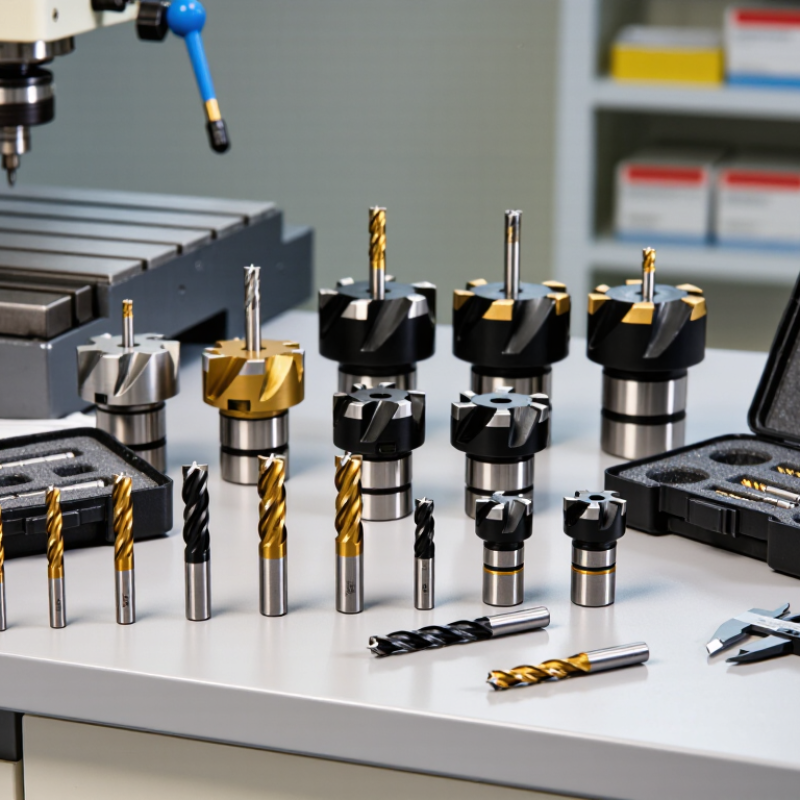
Drill accessories are not interchangeable metal parts. A masonry bit needs a hardened tip, while a brad-point bit offers cleaner control in wood. For stainless steel, cobalt-alloy or carbide options handle heat better than ordinary high-speed steel. The application should guide sourcing decisions, not the catalog photograph. Grand View Research estimated the global power tools market at approximately US$45 billion in 2023, showing the scale of accessory demand across construction, manufacturing, and home improvement.
Check diameter, working length, shank design, coating, and packaging. Hex shanks can reduce slipping in impact-ready tools. Round shanks suit standard chucks, but poor tolerance may create visible wobble. For concrete drilling, dust channels and tip geometry affect speed and user control. For metal drilling, cutting fluid compatibility matters. Small details matter.
The U.S. Geological Survey’s Mineral Commodity Summaries 2024 estimated global tungsten mine production at about 81,000 metric tons in 2023. This matters because tungsten carbide tips depend on a limited industrial material supply. Ask suppliers for material certificates, dimensional inspection records, and batch traceability. I have seen inexpensive kits fail because their labels overstated coating performance. That mistake is easy to repeat. A practical test uses sample holes in the target material, checking heat, edge wear, hole accuracy, and vibration. Laboratory claims still need field evidence.

Matching Accessories to Drill Types and Materials
How to Choose Drill Accessories for Global Sourcing?
Choosing drill accessories for global sourcing starts with the drill type, not the catalogue price. A compact cordless drill needs lightweight bits and shanks that fit its chuck. Hammer drills require impact-rated masonry bits with reinforced bodies. Rotary hammers need SDS-compatible accessories, not standard round-shank tools. Fit comes first. Check chuck size, rotation mode, speed range, and torque before approving samples. In my sourcing work, mismatched shanks caused wobble, heat, and early breakage.
Material selection changes the accessory completely. High-speed steel bits suit general steel and softer metals when cutting speed is controlled. Cobalt-alloy bits handle tougher stainless steel more reliably, but they still need lubrication and steady pressure. Carbide-tipped bits work well on concrete, brick, and tile. Tile requires a sharp, controlled edge; excessive force can crack the surface. For wood, brad-point bits improve positioning and reduce splintering. Material charts help, but real samples tell more.
For suppliers, request dimensional drawings, hardness data, coating details, and batch inspection records. Confirm tolerances with gauges, then test drilling depth, heat buildup, edge wear, and hole quality. A small pilot order can reveal packaging damage or inconsistent fit across production lots. Ask about storage conditions because moisture can damage some metal accessories before use. I once focused too heavily on coating claims and overlooked shank accuracy. That mistake was expensive. Reliable sourcing requires repeatable tests, clear specifications, and honest feedback from operators. Some recommendations remain uncertain until the accessory meets the actual drill and material on site.
Evaluating Compatibility, Quality, and Performance
How to Choose Drill Accessories for Global Sourcing?
Compatibility should be checked before price. Match the accessory’s shank, diameter, thread, and intended material with your drill. A correct fit reduces wobble, heat, and premature wear. I have seen low-cost accessories fail because the connection was slightly loose. Small measurement errors became damaged workpieces. Request technical drawings, tolerance data, and samples before placing a large order. Confirm whether the accessory suits wood, masonry, metal, or mixed applications.
Quality needs evidence, not attractive packaging. Review the material grade, coating process, edge consistency, and heat-treatment details. Ask suppliers for inspection records and relevant test methods. Independent sampling can reveal uneven tips, rough surfaces, or inconsistent dimensions. These defects may not appear in product photographs. Performance should be tested under realistic pressure, speed, and working time. Track cutting speed, vibration, temperature, and service life. Results can differ from laboratory claims.
Tips: Test a small batch first. Use the same drill and operator during comparisons. Store samples in dry conditions, then inspect them after use. Check packaging for protection against moisture and impact. Keep written records of failures, even minor ones. A supplier’s response to a complaint also matters. Clear replies, corrective action, and stable documentation often indicate stronger reliability. Still, no test is perfect. Recheck performance when materials, operators, or shipping conditions change.
How to Choose Drill Accessories for Global Sourcing? - Evaluating Compatibility, Quality, and Performance
| Accessory Type | Primary Application | Typical Workpiece | Common Shank Compatibility | Key Material or Coating | Indicative Size Range | Performance Characteristics | Quality Evaluation Points | Sourcing and Compatibility Checks |
|---|---|---|---|---|---|---|---|---|
| HSS Twist Drill Bit | General-purpose drilling in metal and some plastics | Mild steel, aluminum, brass, plastic, wood | Round shank for standard drill chucks; hex shank versions available | High-speed steel; black oxide or titanium-based coating for selected applications | Approximately 0.5–20 mm diameter | Balanced cutting, good availability, suitable for variable drilling speeds | Point symmetry, flute consistency, concentricity, hardness, surface finish, and edge sharpness | Confirm metric or inch sizing, shank diameter, tolerances, coating specification, and applicable test method |
| Carbide-Tipped Masonry Bit | Impact or rotary drilling in mineral-based materials | Concrete, brick, block, stone, and masonry | Round shank, hex shank, or slotted systems depending on tool type | Carbide cutting tip on alloy steel body | Approximately 3–25 mm diameter for general-purpose sets | Resists abrasive dust; cutting performance depends strongly on carbide grade and brazing quality | Tip alignment, carbide attachment, body straightness, flute geometry, and impact-cycle durability | Verify rotary-only or hammer-rated use, holder system, effective drilling depth, and safety documentation |
| Step Drill Bit | Progressive enlargement of holes in thin materials | Sheet metal, electrical enclosures, plastic panels, and thin aluminum | Usually round or quick-change hex shank | HSS with surface treatment or titanium-based coating | Commonly covers approximately 4–32 mm in one tool | Reduces the need for multiple bits and can produce relatively clean holes in thin stock | Step diameter accuracy, transition smoothness, tip geometry, coating adhesion, and burr formation | Check each step diameter, total length, maximum material thickness, and compatibility with variable-speed drills |
| Hole Saw | Large-diameter holes through relatively thin materials | Wood, plastic, drywall, sheet metal, and selected composites | Arbor-mounted system; shank must match the drill chuck or tool holder | Carbon steel, bi-metal construction, or carbide-grit edge | Approximately 19–200 mm diameter, depending on design | Efficient for large openings; pilot drill and tooth design affect stability and cut speed | Tooth uniformity, weld quality, arbor runout, pilot-bit retention, and cutting-edge hardness | Confirm arbor diameter, replacement pilot availability, maximum cutting depth, and material-specific rating |
| Brad-Point Wood Bit | Clean, accurate holes in wood-based materials | Softwood, hardwood, plywood, and MDF | Round shank or hex shank | Hardened carbon steel or high-speed steel | Approximately 3–25 mm diameter | Center point improves positioning; spur edges help limit splintering | Center-point alignment, spur sharpness, flute clearance, shaft straightness, and dimensional accuracy | Confirm intended wood type, drilling depth, shank dimensions, and whether the bit is suitable for portable drills |
| Spade Bit | Fast drilling of larger holes in wood | Softwood, hardwood, plywood, and framing timber | Commonly hex shank; round shank versions also exist | Hardened carbon steel or alloy steel | Approximately 6–38 mm diameter | Fast material removal and low purchase cost; hole finish is generally rougher than a brad-point bit | Paddle flatness, cutting-edge symmetry, shank straightness, surface hardness, and burr control | Check tool torque requirements, maximum recommended speed, hole diameter, and wood thickness |
| Diamond Grit Core Bit | Wet or dry coring of hard, brittle materials | Tile, porcelain, glass, stone, and selected concrete products | Threaded arbor, hex shank, or tool-specific mounting system | Diamond-embedded cutting rim or electroplated diamond layer | Approximately 5–150 mm diameter for common construction applications | High cutting efficiency on abrasive materials; cooling method has a major effect on service life | Diamond distribution, segment adhesion, rim concentricity, wall thickness, and heat resistance | Specify wet or dry use, target material, mounting thread, operating speed, and required cooling procedure |
| Screwdriver Bit | Driving and removing screws with powered tools | Wood, sheet metal, furniture fittings, and general assembly work | Usually 1/4-inch hex quick-change shank; verify regional tool-holder dimensions | Heat-treated alloy steel; torsion-zone designs for impact use | Common drive sizes include PH1–PH3, PZ1–PZ3, T10–T40, and slotted profiles | Performance depends on drive-profile fit, hardness, torsional strength, and intended impact rating | Tip dimensional accuracy, hardness consistency, torsion failure, corrosion resistance, and bit retention | Match drive profile and size to fasteners, distinguish standard from impact-rated versions, and confirm length |
| Countersink Bit | Creating a tapered recess for flush screw heads | Wood, plastic, aluminum, and mild steel with suitable cutting geometry | Round shank, hex shank, or combination drill-and-countersink format | HSS, carbon steel, or carbide depending on the workpiece | Common countersink angles include 60°, 82°, 90°, and 100° | Produces a controlled recess; angle and cutting-edge quality determine screw seating | Included angle, cutting-edge symmetry, chatter resistance, surface finish, and depth control | Match the countersink angle to the screw standard, verify pilot-hole diameter, and confirm adjustable depth features |
Comparing Suppliers, Certifications, and Total Costs
Choosing drill accessories for global sourcing requires more than comparing unit prices. Supplier capability often appears in small details: stable dimensions, clean packaging, and consistent delivery records.
During a previous sourcing project, I requested samples from three suppliers and tested cutting performance, fit, and wear. One supplier offered the lowest quote, but its tolerances varied between batches. That mistake would have been expensive at scale.
Certifications also need careful checking. Ask for current documents, issuing bodies, product scope, and expiration dates. A certificate covering factory management may not prove accessory performance.
Request material specifications and independent test reports when possible. Video audits can help, but an on-site inspection provides stronger evidence. Still, paperwork is not a guarantee. Real production samples matter more.
Tips:
Compare total landed cost, not only the factory price. Include tooling, packaging, inspection, freight, duties, payment fees, and possible replacement rates.
Ask suppliers to quote identical specifications. A slightly higher price may offer better consistency and fewer delays.
I would also negotiate a small pilot order before a large commitment. It may slow purchasing, but it reveals problems early.
Sometimes, I still overestimate forecast demand; reviewing order data before expanding remains necessary.
Keep written quality standards, inspection points, and corrective-action timelines in the contract.
Managing Samples, Orders, and Global Shipping Requirements
Choosing drill accessories for global sourcing requires more than comparing prices. Samples reveal fit, durability, and packaging quality before a larger order. Request matched samples for drill bits, chucks, extensions, and storage cases. Test them with the intended tools and materials.
I once approved a sample after checking only performance. The carton later failed during handling. That mistake changed my inspection process. I now measure thread accuracy, surface finish, edge protection, and package strength. Record each result with photos and clear specifications. Confirm minimum order quantities, production schedules, spare-piece policies, and acceptable quality limits. Small details prevent expensive disputes. They also help suppliers quote accurately.
Tips: Ask for samples from the planned production line. Label every sample with its size and revision date. Use a simple purchase order with drawings and inspection points. Check product dimensions, weight, carton count, and shipping marks before dispatch. Confirm the correct customs classification with a qualified logistics professional. Some destinations require specific documents or packaging information. Never assume the first freight quote includes every charge. Air shipping may suit small samples, while consolidated sea freight can reduce costs for larger orders. Yet delivery estimates can change. Build time into the plan. Reliability needs evidence, not promises.
How to Choose Drill Accessories for Global Sourcing?
Typical planning lead time by sourcing stage for drill bits, chucks, adapters, and accessory kits in international procurement.
Sample approval and production can often be managed in parallel, while international ocean freight and customs clearance remain dependent on route, season, and destination requirements.