7 Best Turbine Generators for WTE Buyers in 2026?
Choosing the right Turbine Generator can determine whether a waste-to-energy plant delivers stable power or repeated maintenance problems. In 2026, buyers face tighter efficiency targets, changing waste composition, and greater pressure to control operating costs. A suitable Turbine Generator For Wte must handle fluctuating steam conditions, corrosive compounds, and demanding daily cycles.
This guide examines seven turbine generator options for WTE buyers, using practical procurement criteria rather than promotional claims. We consider electrical output, steam inlet conditions, thermal efficiency, corrosion resistance, availability, maintenance access, and supplier support. A unit producing impressive figures on paper may struggle with wet steam, frequent load changes, or limited local servicing. That detail matters.
Real plants are rarely perfect.
Experienced operators often value dependable starts more than peak efficiency. They also examine bearing design, control systems, spare-part lead times, and proven performance with municipal waste. Grid connection requirements and local environmental standards deserve equal attention. A technically strong generator still creates risk if commissioning support is weak.
The shortlist should not be treated as a universal ranking. Plant scale, boiler design, waste quality, financing, and operator skill can change the best choice. Some available data may also come from controlled test conditions, not difficult operating sites. Buyers should verify performance through references, warranty terms, service records, and independent technical reviews.
This comparison aims to make that process clearer. It highlights where each generator may perform well, where it may require caution, and which questions deserve deeper investigation before purchase. Seven options appear promising, but none should escape serious scrutiny.
Understanding Turbine Generators in Waste-to-Energy Systems
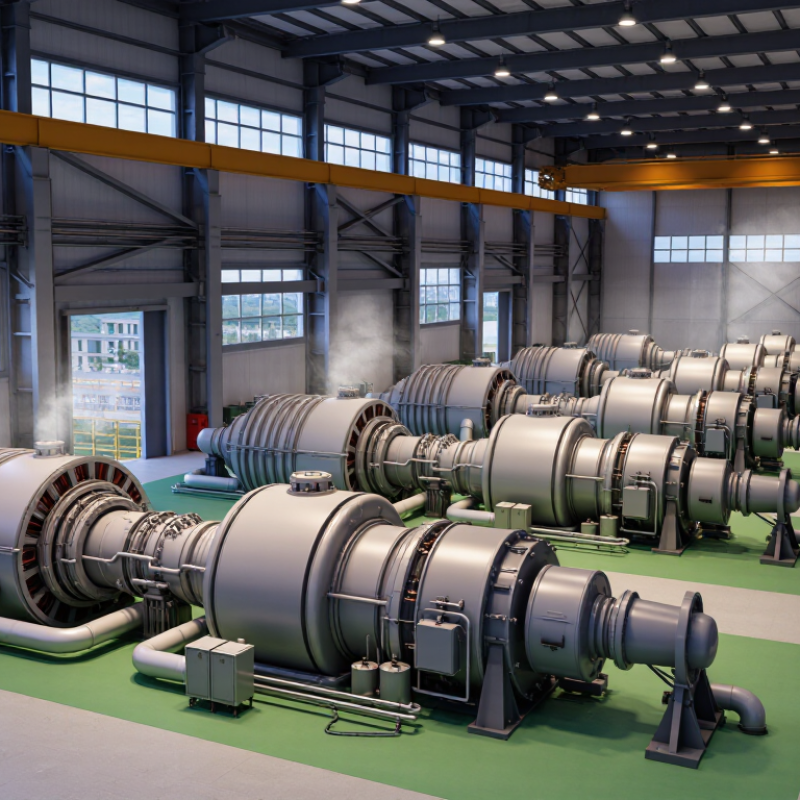
A turbine generator converts high-pressure steam into electricity inside a waste-to-energy system. Waste burns in a controlled furnace, heating water into steam. The steam expands through turbine blades, while a generator converts rotation into electrical power. The process sounds simple. It is not.
The UNEP and ISWA Global Waste Management Outlook 2024 projects municipal solid waste could rise from about 2.1 billion tonnes in 2023 to 3.8 billion tonnes by 2050. This growth increases demand for reliable energy recovery, but feedstock remains inconsistent. Moist food waste reduces steam production. Plastics can raise furnace temperatures. Therefore, buyers should examine turbine performance across changing steam flows, not only the rated output.
Technical review should include inlet pressure, exhaust pressure, corrosion protection, control response, and maintenance access. The U.S. Energy Information Administration has reported that American waste-to-energy facilities typically produce roughly 500 kilowatt-hours per ton of waste, although results vary by plant design and waste quality. Heat sales can improve overall efficiency when a nearby industrial user exists.
Choose carefully. Bigger is not always better. A turbine sized for ideal waste may operate inefficiently during wet seasons. I would also question optimistic efficiency claims without verified operating records. The International Energy Agency’s World Energy Outlook 2024 reinforces the value of efficient, dispatchable energy systems, but local grid rules and heat demand still shape the real business case. Turbine selection should follow measured steam data, not brochure assumptions.
Seven Leading Turbine Generator Options for WTE Buyers
For WTE buyers, turbine selection starts with steam quality, not catalogue power. The seven leading options include back-pressure steam turbines, condensing steam turbines, extraction-condensing turbines, organic Rankine cycle units, Kalina cycle units, gas turbines, and steam screw expanders. Each design suits a different waste stream and heat profile.
Back-pressure turbines work well when a nearby facility needs stable process heat. Condensing turbines produce more electricity when cooling capacity is available. Extraction-condensing models offer a useful compromise, although their controls demand careful commissioning. Organic Rankine cycle units can recover lower-temperature heat with limited water use. Kalina systems may improve heat recovery, but their working-fluid management is more complex. Gas turbines fit certain prepared fuel gases, not every mixed waste stream. Steam screw expanders suit smaller plants and fluctuating loads, though their electrical output is usually modest.
Site experience often exposes the gap between a specification sheet and daily operation. Chlorides, dust, moisture, and unstable boiler pressure can reduce efficiency quickly. Buyers should request verified performance curves, vibration limits, generator protection details, and service records from comparable facilities. Independent acceptance testing adds credibility. I would also check start-stop frequency, cooling-water chemistry, spare-part access, and operator training requirements.
No option is universally best. A smaller expander may outperform a larger turbine when the plant operates intermittently. That point is easy to miss. Calculations should use measured waste data, seasonal heat demand, and realistic maintenance hours rather than ideal assumptions.
7 Leading Turbine Generator Options for WTE Buyers in 2026
Indicative net electrical output for commonly deployed waste-to-energy steam turbine configurations. Actual performance varies with waste throughput, steam conditions, plant availability, and export requirements.
Planning reference: typical WTE turbine-generator projects range from small 5–10 MW units to large 40–60 MW installations. Output figures are representative engineering values rather than brand-specific ratings.
Comparing Efficiency, Capacity, Costs, and Operating Requirements
7 Best Turbine Generators for WTE Buyers in 2026?
For waste-to-energy buyers, efficiency must include parasitic demand. Fans, pumps, flue-gas treatment, and conveyors can consume 10–20% of gross generation. IEA Bioenergy reports that conventional waste combustion often achieves about 20–30% electrical efficiency. Combined heat and power can exceed 60% total energy utilization when nearby heat users remain reliable. Steam conditions matter. Higher pressure improves output, but corrosion risks and maintenance costs also increase.
Capacity should match dependable waste feed, not optimistic forecasts. A 10–20 MW turbine may suit a medium facility, while larger plants need staged units for maintenance flexibility. U.S. EPA CHP data indicates that well-designed CHP systems commonly reach 60–80% total efficiency. Costs should include condenser cooling, emissions controls, grid connection, spare parts, and scheduled overhauls. Compare lifecycle cost per net MWh, not only purchase price. Real operating data can look less impressive.
Tips: Request three years of verified heat-rate, availability, and outage records. Check performance at 50%, 75%, and 100% load. Ask how the turbine handles wet steam, rapid load changes, and seasonal waste variation. Confirm local service coverage and rotor-repair lead times. CEWEP industry data shows that waste facilities depend heavily on stable operating conditions, yet actual performance differs by feedstock and plant design. That uncertainty deserves a financial allowance. A cheaper generator may become expensive after repeated derating. Conversely, the highest-efficiency option may fail if no heat customer exists.
How to Choose the Right Turbine Generator for a WTE Facility
Choosing the right turbine generator starts with the waste stream, not the nameplate capacity.
UNEP’s Global Waste Management Outlook 2024 estimates 2.1 billion tonnes of municipal solid waste were generated globally in 2023. That figure could reach 3.8 billion tonnes by 2050.
Waste composition changes daily. Food waste lowers heating value. Plastics raise it, while chlorine can accelerate blade and boiler corrosion.
A facility burning mixed waste may need a robust condensing steam turbine. A site with district heating demand may gain more from extraction-condensing operation. The useful question is simple: how much electricity remains after process steam and parasitic loads?
Ask suppliers for performance at several steam conditions, not one ideal point. Check output at low-load operation, start-up frequency, and seasonal waste variations.
A turbine producing 20 MW on paper may deliver much less after flue-gas treatment, pumps, fans, and export limits. Small details matter.
The European Commission’s Joint Research Centre identifies energy recovery and operational control as important benchmarks in its 2019 Best Available Techniques Reference Document for Waste Incineration.
Buyers should also examine availability guarantees, corrosion allowances, vibration monitoring, and maintenance access.
Experienced operators often value predictable repairs more than impressive peak output.
A perfect datasheet does not exist.
I would challenge any model built on constant waste quality. Test the assumptions against three years of weighbridge records, laboratory analyses, and hourly heat demand.
A lower-rated turbine with stronger part-load efficiency may outperform a larger unit in real operation. That choice deserves uncomfortable scrutiny.