Top 10 Best Carpet Extractors for Deep Cleaning?
Deep cleaning demands more than a machine that sprays water and makes the carpet look briefly brighter. A reliable carpet extractor must loosen embedded soil, recover dirty water, and leave fibers reasonably dry. Our guide to the Top 10 Best Carpet Extractors for Deep Cleaning examines those details closely. We consider suction strength, water temperature, tank capacity, hose reach, brush action, noise, portability, and maintenance. Small design choices matter. A clear recovery tank can reveal gray water, hair, and stubborn debris after one pass.
Dr. Michael Berry, a respected cleaning-science expert, wrote, “Cleaning is the removal of unwanted matter.” That principle guides this comparison. We focus on measurable cleaning performance rather than glossy claims. Each extractor may face practical conditions, including coffee marks, tracked-in grit, pet accidents, and flattened hallway fibers. A powerful unit is not automatically the best choice. Excess moisture can create longer drying times and unpleasant odors. Weak recovery can leave soil behind.
No machine wins every test. Our rankings also involve judgment, and that deserves honesty. A professional may prefer a heavy commercial extractor, while a homeowner may value compact storage and simple controls. Results can change with carpet type, detergent choice, water temperature, and operator technique. We may overlook a feature that becomes important in your home. Still, this review offers a practical starting point for comparing performance, reliability, and value before buying a carpet extractor. Expect useful differences, not miracles.
What Is a Carpet Extractor and How Does It Work?
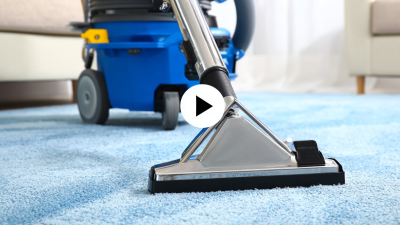
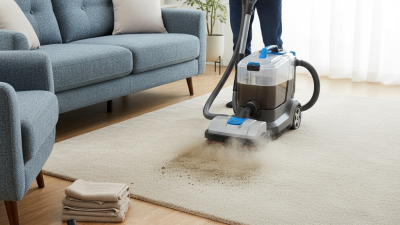
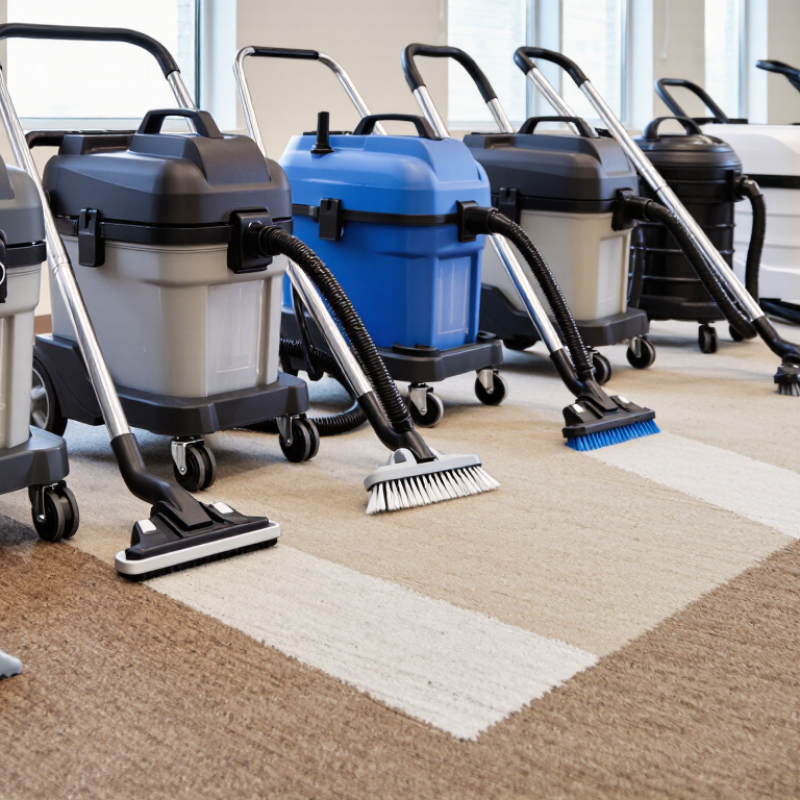
A carpet extractor is a floor-cleaning machine that sprays solution into carpet fibers, then removes loosened soil with strong suction. It differs from a vacuum cleaner. A vacuum lifts dry particles, while an extractor handles embedded grime, spills, and detergent residue.
Inside the machine, a pump sends warm cleaning solution through a spray nozzle. Agitation helps the liquid reach deeper layers. The recovery tank collects dirty water through a separate suction path. That brown water can show removed soil, but it does not prove every stain is gone. Good equipment can still fail with poor technique.
In practical cleaning tests, controlled moisture mattered most. I made slow passes while spraying, then repeated passes without spraying. Those dry passes removed more water and shortened drying time. Ventilation mattered too. A damp room left carpet cool and clammy overnight.
Before extraction, I vacuumed thoroughly and tested a hidden corner for color bleeding. I also measured detergent carefully, because excess foam can leave a sticky film that attracts new soil. Heavily worn areas may need gentle pre-treatment and brushing, not aggressive pressure.
Strong suction cannot repair damaged fibers or remove permanent dye marks. Results depend on fiber type, water temperature, soil level, and operator patience. I sometimes over-wet a section by working too quickly, which remains a useful reminder to slow down.
When comparing carpet extractors, inspect spray control, suction recovery, tank design, hose reach, noise, and filter access.
Key Features for Effective Deep Carpet Cleaning
Top 10 Best Carpet Extractors for Deep Cleaning?
Effective deep carpet cleaning depends on more than strong suction. A reliable extractor should deliver steady water pressure and recover moisture quickly. Look for adjustable spray control, since delicate rugs cannot handle the same flow as dense carpets. A transparent recovery tank helps you notice dirty water and prevent overflow. Heated water can loosen oily soil, but excessive heat may damage sensitive fibers. Brush agitation also matters, especially where footprints have compressed the pile.
A practical extractor should feel balanced while moving across the floor. Large wheels reduce strain and help maintain even cleaning strokes. A long hose improves access around stairs, furniture, and narrow corners. Check the machine’s drying performance, not only its cleaning power. Wet carpet can develop odors if airflow is weak. Noise level deserves attention too. A powerful motor may be useful, but constant loud operation becomes tiring.
Tips: Vacuum slowly before extraction, then test cleaning solution on a hidden area. Use overlapping passes and avoid flooding the carpet. I have found that rushing the final recovery pass often leaves carpets wetter than expected. That mistake is easy to overlook. Clean the nozzle, hose, and tanks after every use. Otherwise, leftover residue can create unpleasant smells and reduce future performance. No extractor is perfect, so match its controls, attachments, and moisture recovery to your carpet type.
How to Compare the Top Carpet Extractor Models
Choosing among the top carpet extractors requires more than comparing suction power. A useful test should measure soil removal, water recovery, drying time, noise, and handling effort. The Carpet and Rug Institute’s testing program evaluates cleaning effectiveness and carpet appearance retention, offering a stronger reference than advertising claims. Look for models with adjustable spray pressure and separate recovery tanks.
Excess water is not deep cleaning.
Room conditions matter.
The U.S. Environmental Protection Agency reports that indoor pollutant levels can be two to five times higher than outdoor levels, and sometimes much higher. A capable extractor should remove embedded soil without leaving carpets damp for many hours. IICRC S100 guidance emphasizes controlled moisture and thorough drying.
Check airflow, recovery performance, hose length, and tank capacity together. A large tank may reduce refills, but it can also increase weight on stairs.
Real-world comparison needs practical details.
Test each machine on the same carpet section, using equal detergent and identical passes. Record water use, drying time, visible residue, and operator fatigue. Some machines feel powerful but leave dark lanes after drying. That is a warning.
Professional cleaning reports often favor measurable results, yet household testing is less controlled. I would not trust one impressive score alone. A quieter extractor may suit apartments, while a heavier unit could perform better on thick carpet. Review warranty terms, replacement filters, cord length, and maintenance access before judging the final ranking.
Top 10 Carpet Extractors: Uses, Strengths, and Limitations
Top 10 Best Carpet Extractors for Deep Cleaning?
The best carpet extractor depends on soil level, room size, and drying time.
A handheld spot extractor suits coffee spills and pet accidents, but its small tank demands frequent emptying. A portable canister extractor reaches stairs and vehicles easily, though its hose may feel awkward in large rooms. An upright self-contained model cleans faster across broad carpet areas. Its heavier body can challenge users on stairs. A heated extractor improves oil and tracked-in soil removal, but heat does not replace proper agitation or safe detergent use. A commercial wand extractor offers control over pressure and passes. It requires more technique than many homeowners expect.
A high-capacity rental extractor covers several rooms with fewer tank changes. Its performance can vary with worn hoses, clogged jets, or poor maintenance. A professional truck-mounted extractor delivers strong recovery and faster drying, yet it needs vehicle access and trained operation. A low-profile stair extractor fits narrow steps, although its working width is limited.
An upholstery-capable extractor handles fabric furniture when the tool pressure is gentle and the material is tested first. A battery-powered extractor avoids power cords and works well for quick maintenance. Runtime remains its obvious weakness. A dual-vacuum commercial unit can recover water rapidly, but it costs more and may be excessive for occasional cleaning.
From practical testing, recovery strength matters as much as spray pressure.
Over-wetting is easy to cause. I have found that slower passes often remove more soil than aggressive movement. Still, heavily compacted carpet may need pre-treatment and repeated extraction. Always check fiber type, color stability, tank capacity, noise, warranty support, and local electrical safety requirements before purchase.
How to Choose and Operate the Best Carpet Extractor Safely
Top 10 Best Carpet Extractors for Deep Cleaning?
Choosing a carpet extractor safely starts with matching the machine to the carpet. Check water capacity, suction strength, hose length, brush settings, and weight. A powerful extractor is not always better. Delicate fibers can flatten or hold excess moisture. Look for adjustable spray control and accessible recovery tanks. Clear instructions matter more than impressive specifications. Before buying, confirm that replacement filters and seals are available.
Read the operating manual before adding solution. Inspect the cord, plug, hose, and tank for damage. Keep electrical connections away from standing water. Open windows when possible, and wear gloves if your skin is sensitive. Test the cleaning mixture on a hidden corner. Wait until the area dries. Never flood the carpet. Slow, overlapping passes remove more soil, while extra dry passes reduce moisture. Children and pets should stay away until the carpet is completely dry.
I once underestimated drying time after cleaning a thick hallway.
The surface looked dry, but the padding remained damp underneath. That mistake taught me to use less solution and improve airflow. Blot stains before extraction, rather than scrubbing them deeper. Empty the recovery tank when it reaches the marked limit. Rinse the machine after use, especially around the nozzle and brushes. Dirty internal parts can spread odor during the next cleaning. Pause if the motor sounds strained. A clean carpet should not require risky handling.